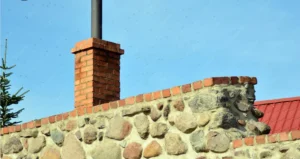
When you light a cozy fire in your hearth, your primary focus is on the warmth and ambiance filling your living room. Out of sight and out of mind, the most critical safety component of your entire heating system is working hard behind the scenes inside your chimney stack. This component is the chimney liner, a continuous conduit made of clay, tile, or metal that runs from the firebox to the top of your roof.
The liner serves a vital, dual-purpose role: it channels toxic combustion gases safely out of your home and shields your combustible wood framing from intense thermal heat. Because liners are subjected to extreme temperature fluctuations, corrosive chemical byproducts, and moisture, they eventually degrade over time. Recognizing the early warning signs of a failing liner is crucial for preventing devastating house fires and invisible health hazards.
1. Shaling Tile Flakes Accumulating in the Firebox
If you notice thin, flat pieces of clay or colored ceramic material piling up on the floor of your firebox, your liner is actively failing. This process is known as “shaling.” It occurs when moisture penetrates the porous clay tiles of a traditional chimney liner, often due to a cracked chimney crown or a missing top cap.
When winter temperatures drop, this trapped water freezes and expands, fracturing the structural integrity of the clay. Over time, the faces of the tiles begin to split and flake off. As these pieces drop to the bottom, they leave behind thin, brittle walls higher up in the flue. These compromised areas are highly susceptible to cracking completely open during the next high-heat fire, exposing the interior wooden structure of your home to direct flame.
2. Pungent, Unpleasant Odors Inside the Home
A properly functioning chimney liner should isolate all smoke and chemical odors, directing them cleanly up and out into the atmosphere. If you begin to notice a heavy, sour, or smoky smell wafting into your living room, especially on hot, humid summer days or when it rains, your liner may be severely compromised.
This smell is caused by creosote, a highly flammable byproduct of wood combustion that bakes onto the walls of your flue. When a liner cracks or the mortar joints between clay tiles erode, the creosote seeps deep into the porous structural masonry of the chimney breast. The odor then bleeds through your home’s drywall and insulation.
Important Note: According to fire safety data maintained by the National Fire Protection Association (NFPA), accumulated creosote is the leading cause of structural chimney fires. A cracked liner that allows creosote to migrate outside the flue pipe poses an immediate, catastrophic fire risk to your property.
3. Structural Condensation on Attic Walls and Exterior Brick
Modern, high-efficiency heating appliances, such as gas furnaces, water heaters, and wood inserts, produce low-temperature exhaust gases that contain high amounts of water vapor. If these gases pass through an oversized or deteriorating chimney liner, they cool down too quickly and condense into liquid water inside the flue.
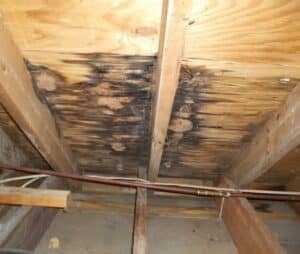
This highly acidic condensation eats away at the mortar joints holding your chimney liner tiles together. Once those joints fail, the acidic moisture leaks outward through the exterior brickwork. If you notice damp spots, peeling paint, or white powdery stains (efflorescence) on the walls of your attic or upper-floor ceilings that align with the chimney stack, a failing liner is allowing moisture to bypass your home’s building envelope.
4. Frequent Draft Issues and Excess Indoor Smoke
A healthy chimney relies on a physical principle known as draft mechanics, which depends on a consistent, smooth, and properly sized column of air. When a liner cracks, shifts, or collapses internally, it alters the precise internal volume of the flue and introduces turbulent air resistance.
If your fireplace suddenly begins back-drafting, sending smoke rolling out into your living room instead of drawing it upward, you likely have a structural blockage or a severe breach in the liner wall. According to safety protocols from the Consumer Product Safety Commission (CPSC), a failing draft system dramatically increases the risk of carbon monoxide poisoning, as this invisible, odorless gas can easily seep through liner cracks and settle into your family’s living areas.
5. Debris and Mortar Crumbling into the Cleanout Door
Every masonry chimney features a small metal cleanout door, typically located at the very base of the stack in the basement or on the exterior of the home. Checking this access point once or twice a year provides an excellent snapshot of your liner’s internal health.
If you open the cleanout door and find large chunks of sandy mortar, broken bits of brick, or dark soot deposits mixed with structural debris, your chimney’s internal skeleton is actively disintegrating. When the mortar joints between liner sections crumble away entirely, it creates open gaps. These gaps allow sparks and intense heat to make direct contact with the dry wooden studs and rafters surrounding the chimney structure inside your walls.
A compromised chimney liner is a silent hazard that should never be ignored or left to chance. If you have noticed any of these warning signs in your home, it is imperative to stop using your fireplace or heating appliance immediately until a professional evaluation can be performed. At Chimneyz LLC, our certified technicians utilize specialized, high-definition video inspection cameras to scan the entire length of your flue, identifying hidden cracks, gaps, and structural failures. Contact us today to schedule an inspection and explore our high-efficiency stainless steel relining solutions to keep your home safe for years to come.