Home » Chimney & Fireplace
Chimney & Fireplace
Chimneyz repairs, rebuilds and removes chimneys, and installs, converts and remodels fireplaces. Masonry, roofing and venting handled by one team rather than four.
Why It Matters
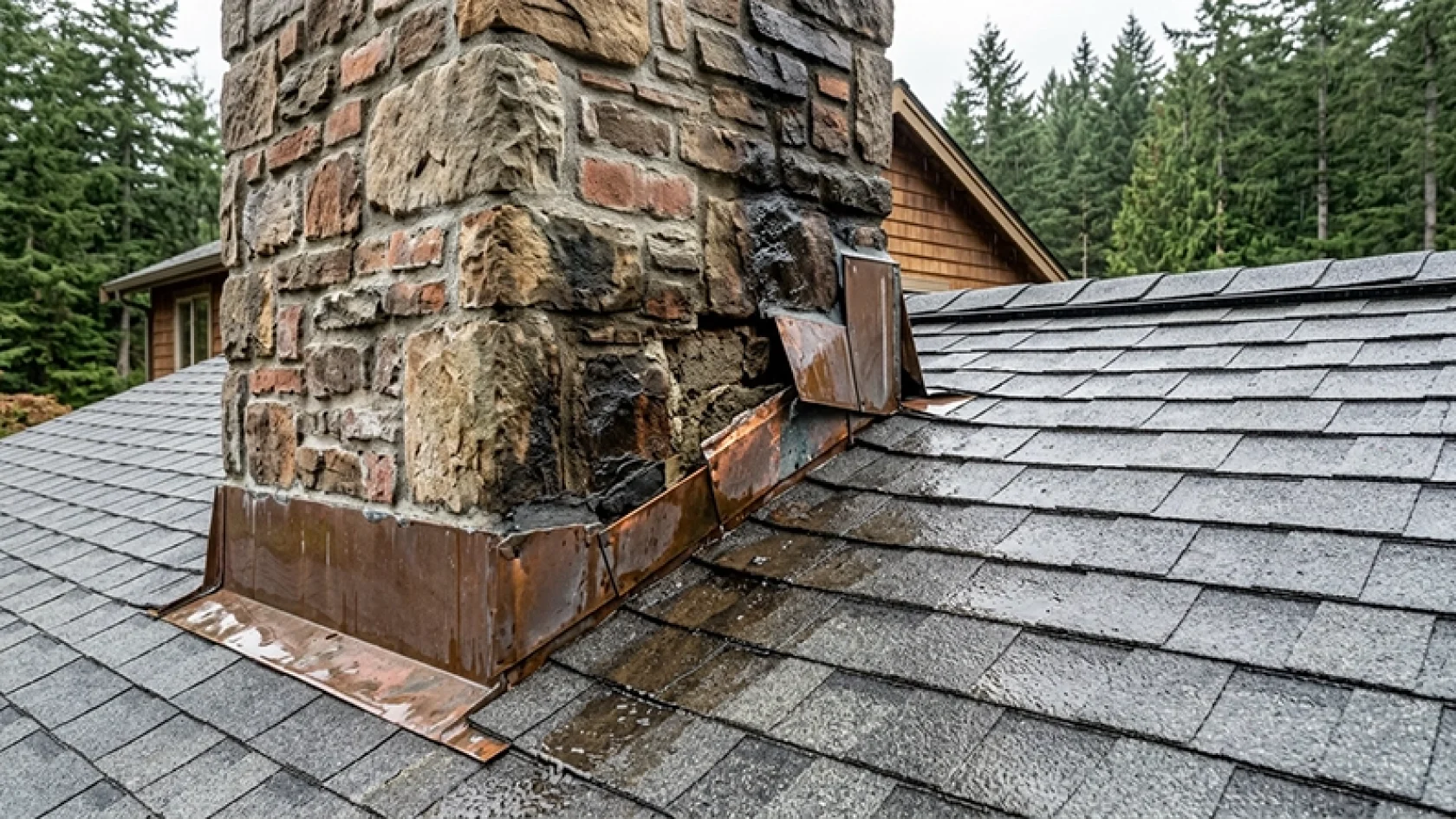
A chimney is the one place a masonry structure punches through the roof, and that junction is the most common point of water entry on a Pacific Northwest home. It is also the place where responsibility falls between trades: the roofer replaces shingles around the stack and will not cut the brickwork, the mason repoints and leaves the flashing, and the homeowner pays for the same leak twice. Below it sits a fireplace whose venting, clearances and surround are a third conversation again. We carry the masonry, the roofing and the structural work ourselves, so the crown, the counter-flashing and the firebox are one job and one warranty.

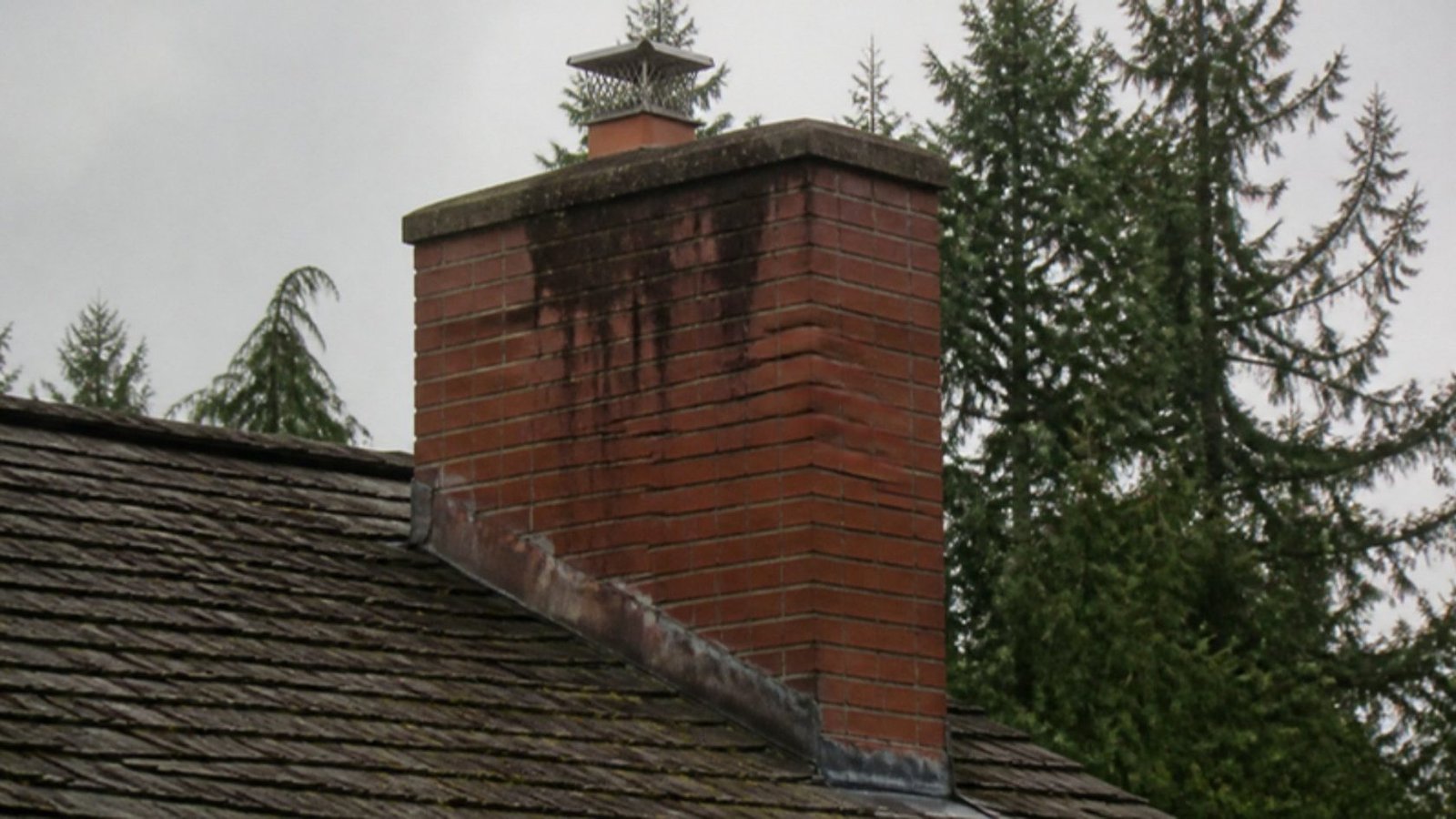
Crumbling mortar, spalled brick, a failing crown, a leak that keeps coming back. The general repair page, and the right starting point when you are not sure what you have.
Repair combined with inspection: what is actually wrong, what it will take, and what the chimney needs in what order before anybody starts.
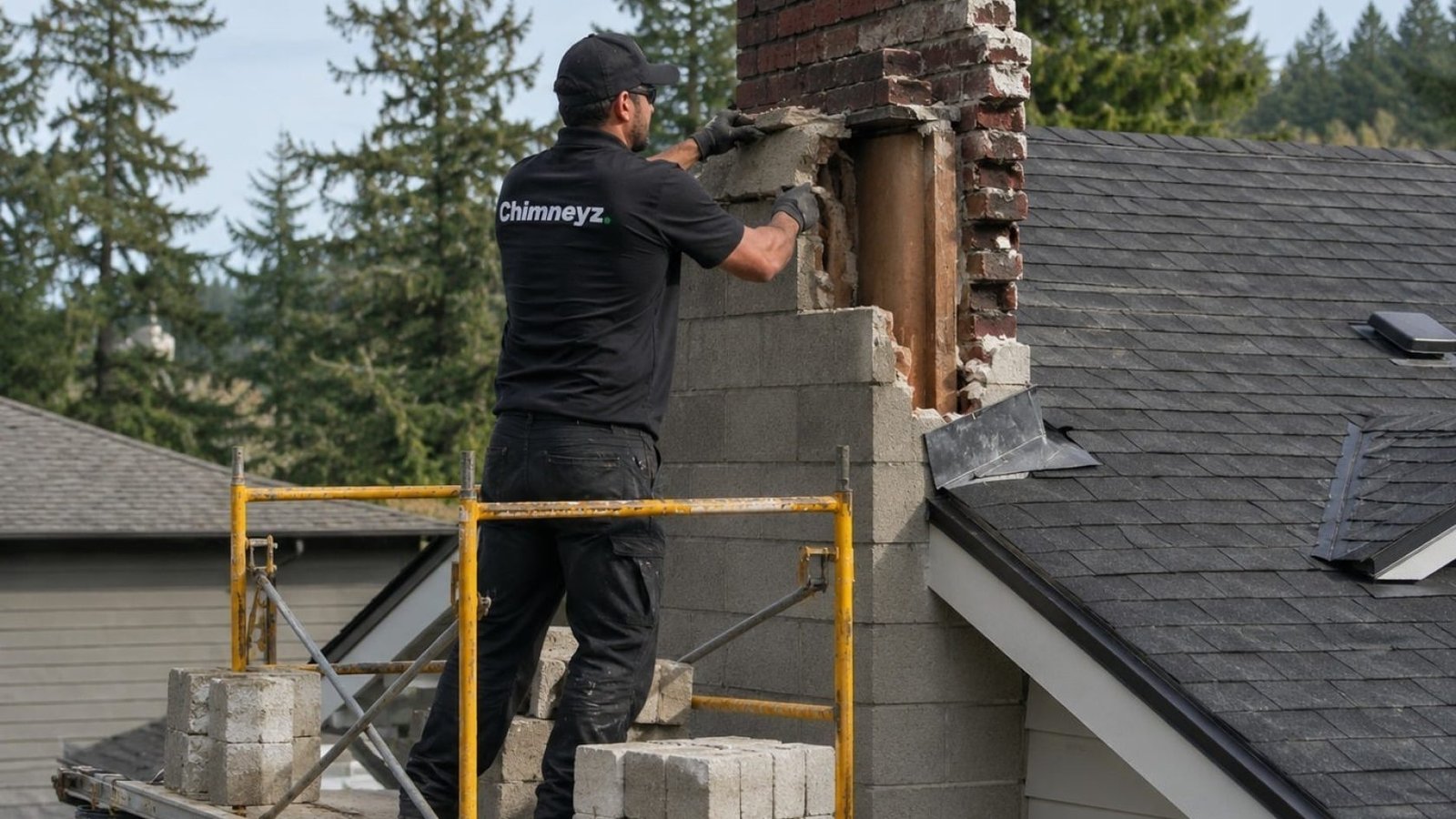
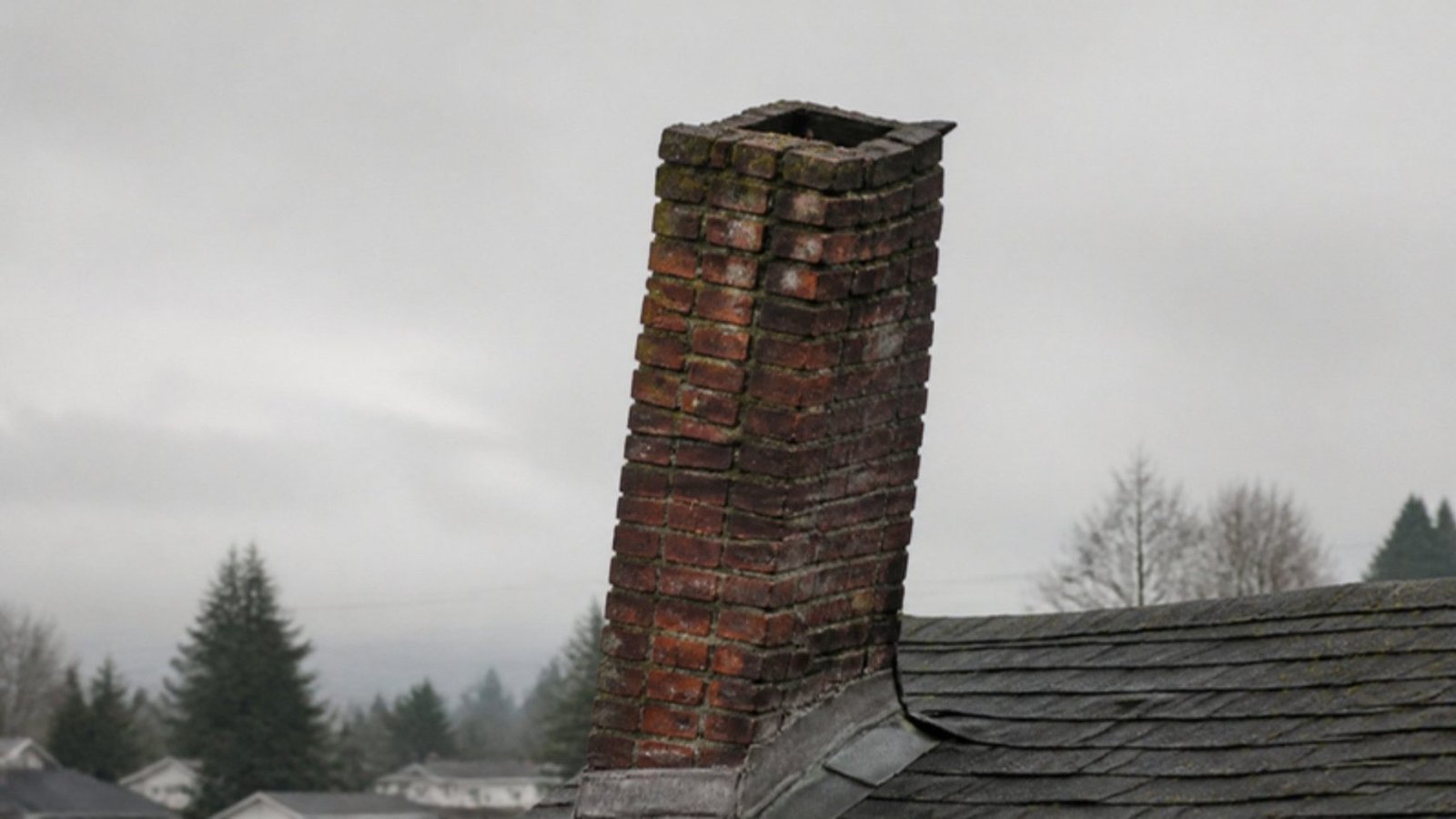
Leaning, bulging, or losing bond across a section. Past that point the stack comes down to sound material and goes back up properly.
A chimney has five different ways of letting water in and they look identical from the living room. Finding which one it is comes before anybody buys materials.
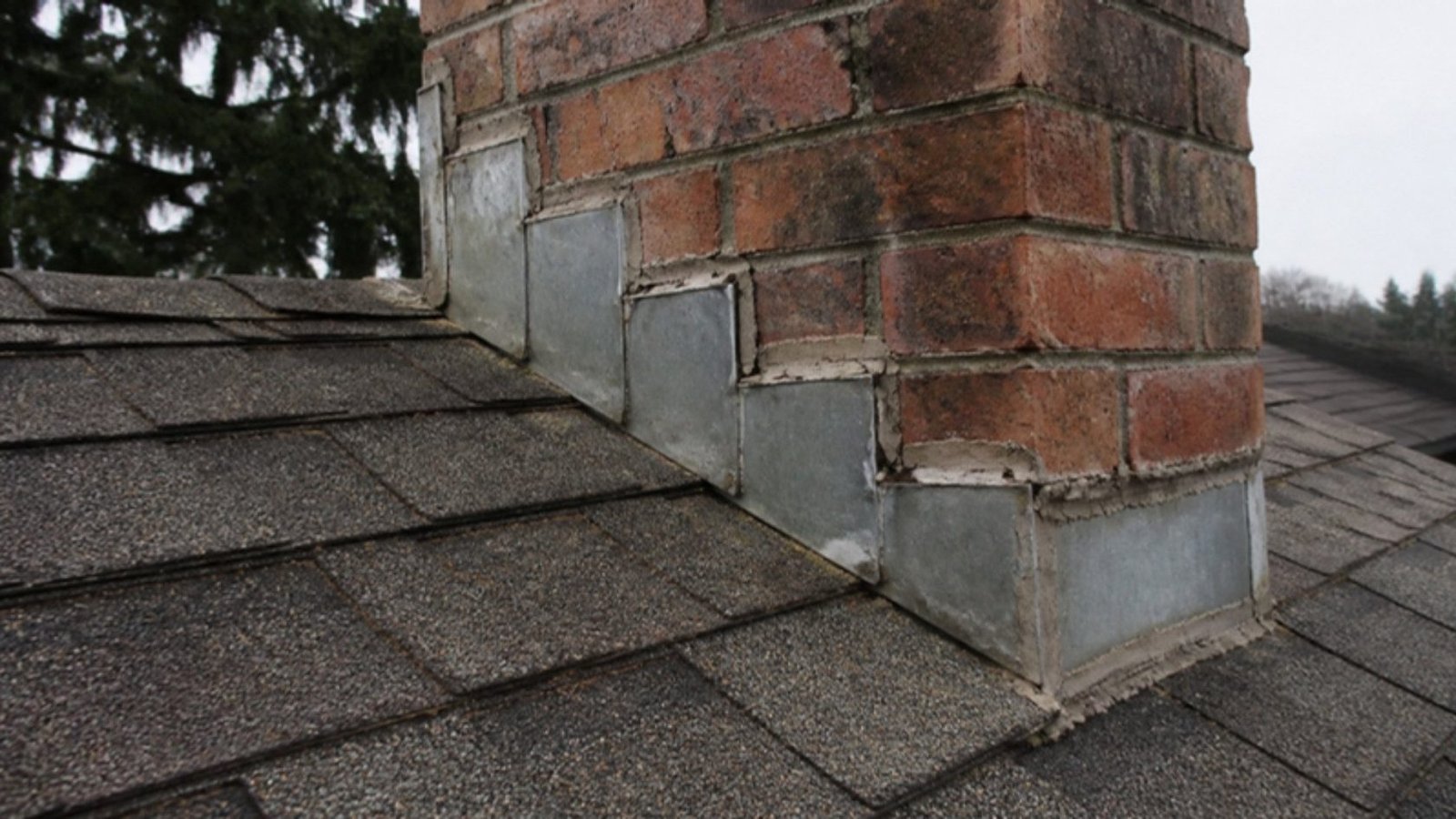
Two pieces of metal: one woven into the roof, one cut into the mortar joint. Almost every failed flashing we are called to is missing the second half.
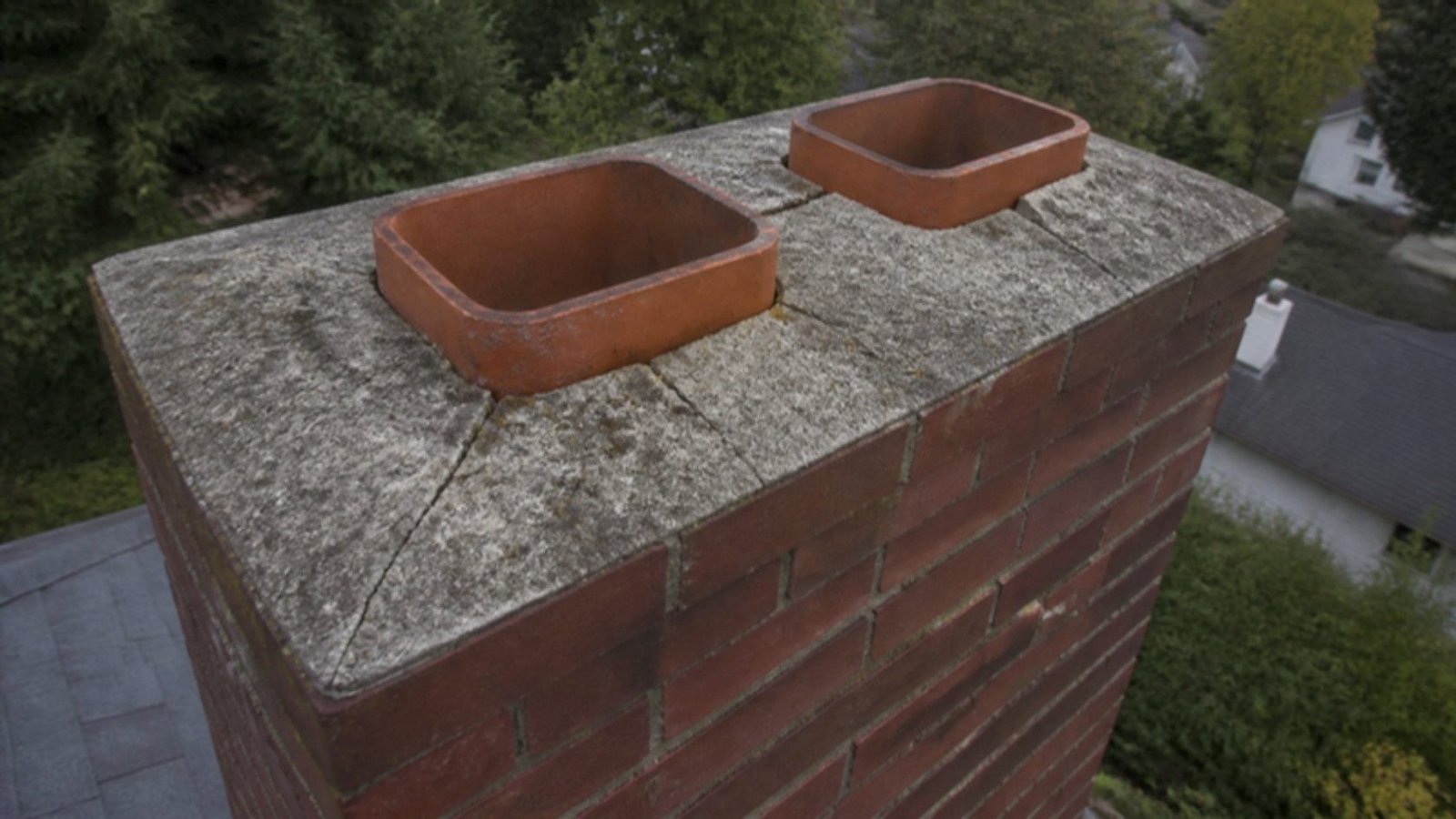
The concrete slab across the top. When it cracks, the whole stack takes on water from above, and that is where spalled brick comes from.
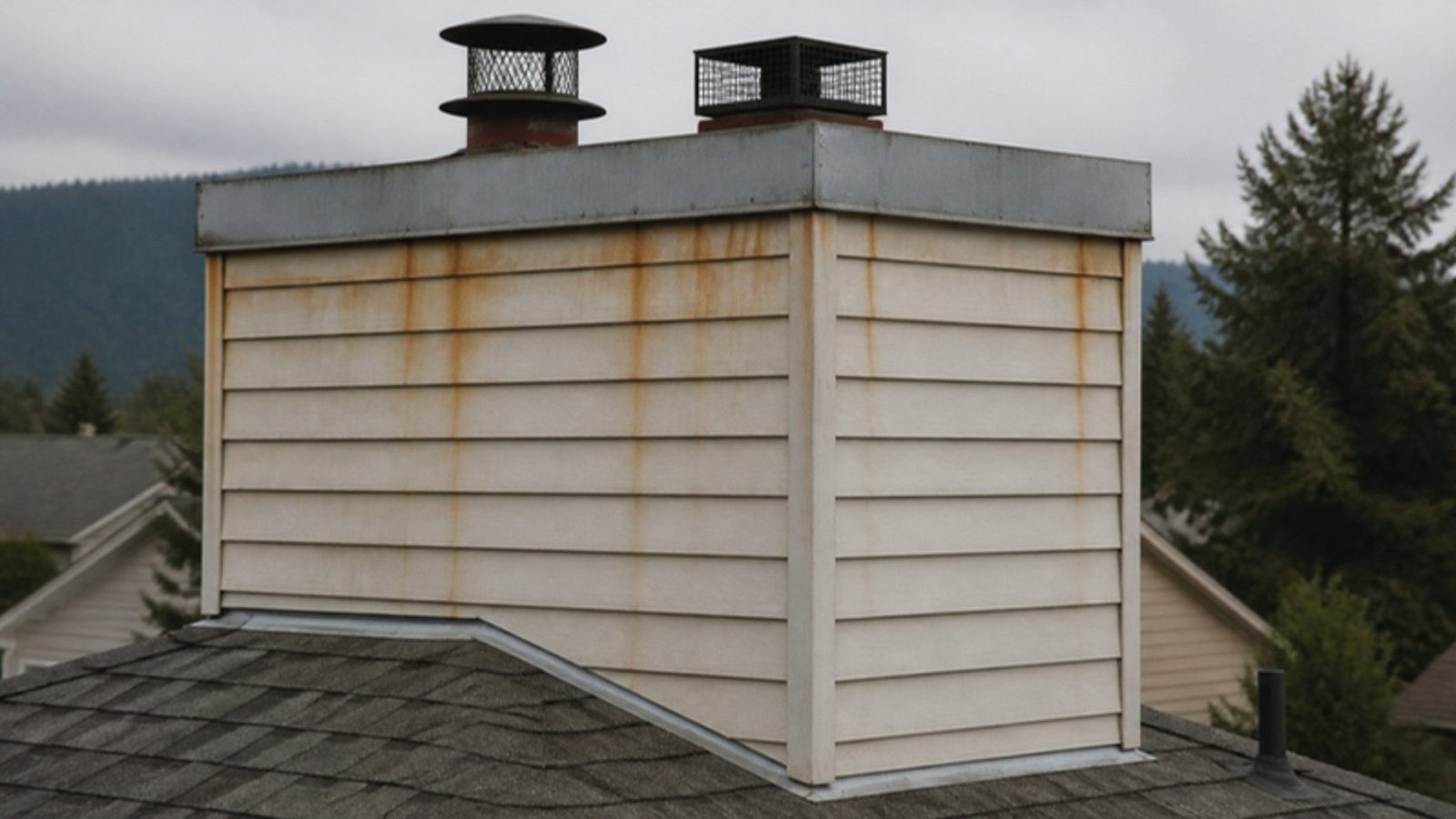
If your chimney is framed and sided rather than brick, it is a chase – and what fails is the thin metal lid on top of it, long before anyone looks.
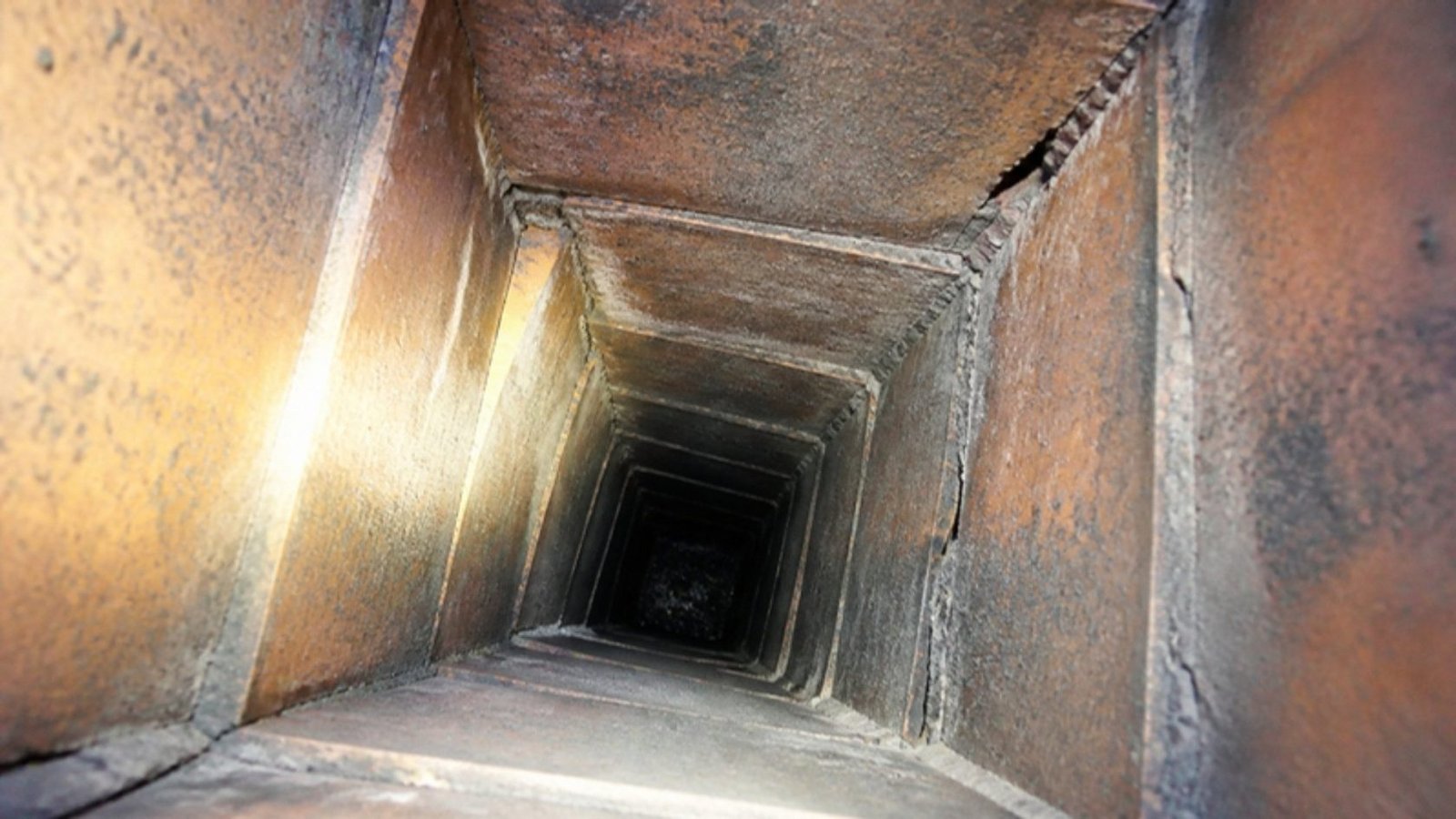
The liner is the only part of a chimney that actually contains the exhaust. Cracked tile, an unlined flue, or a flue the wrong size for the appliance.
A chimney nobody uses is a maintenance bill and, in this region, a seismic liability. Often the right answer, if what it carries is handled.
A fireplace in a house that never had one: framing, venting, clearances and masonry in the right order, by one crew.
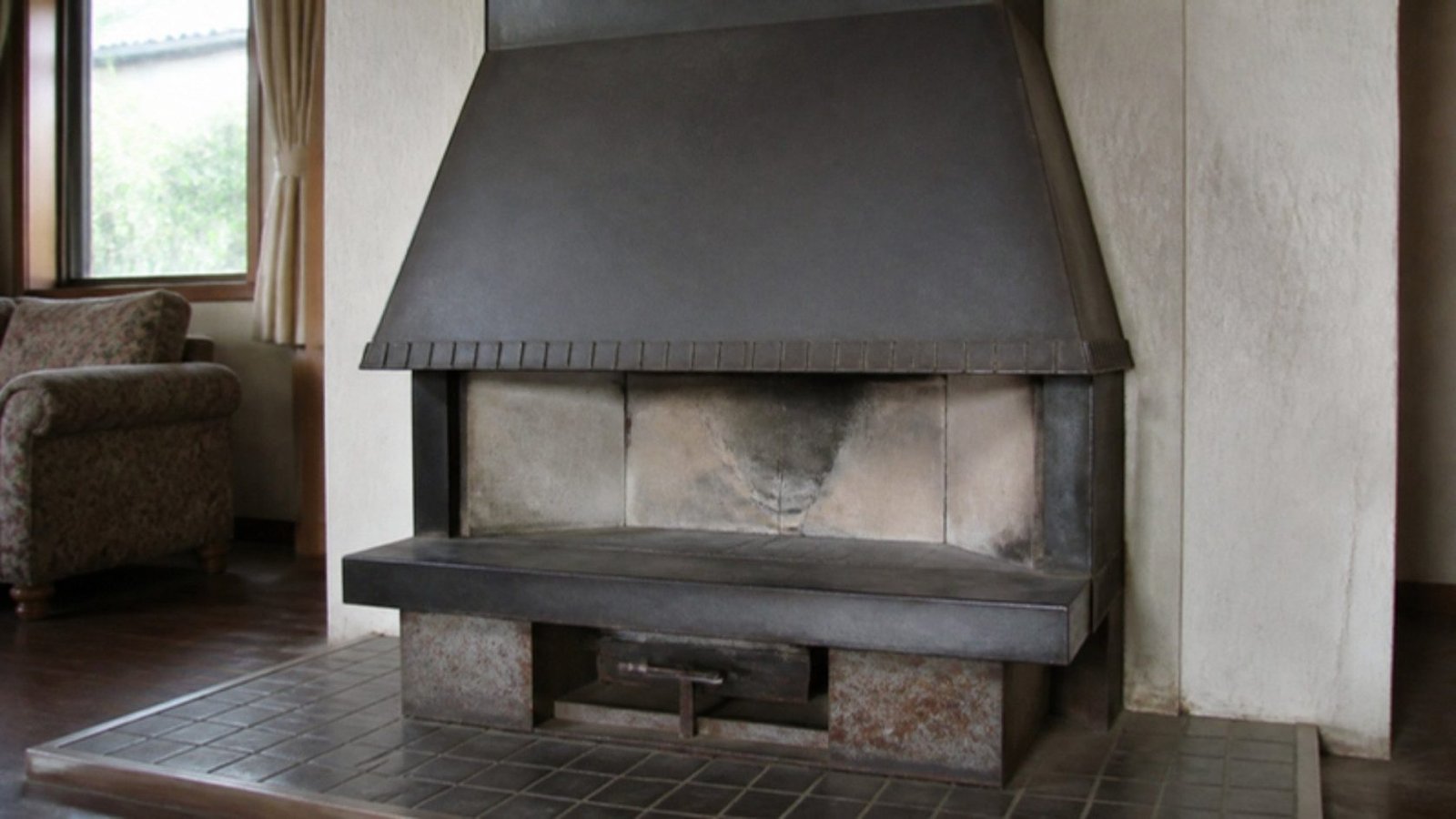
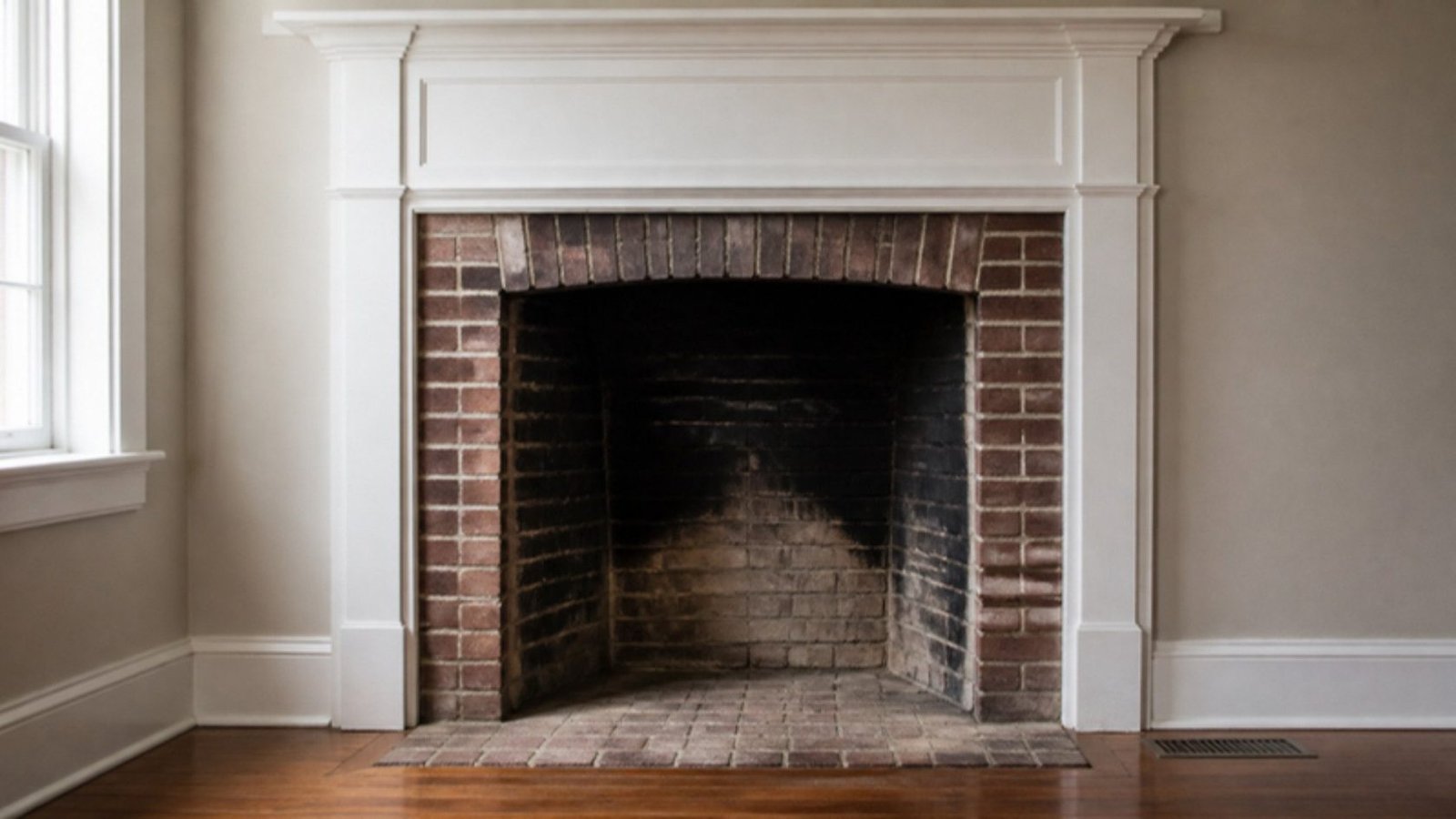
When a unit is genuinely past repair it comes out and a new one goes in. The opening stays, which is what keeps it far cheaper than building from scratch.
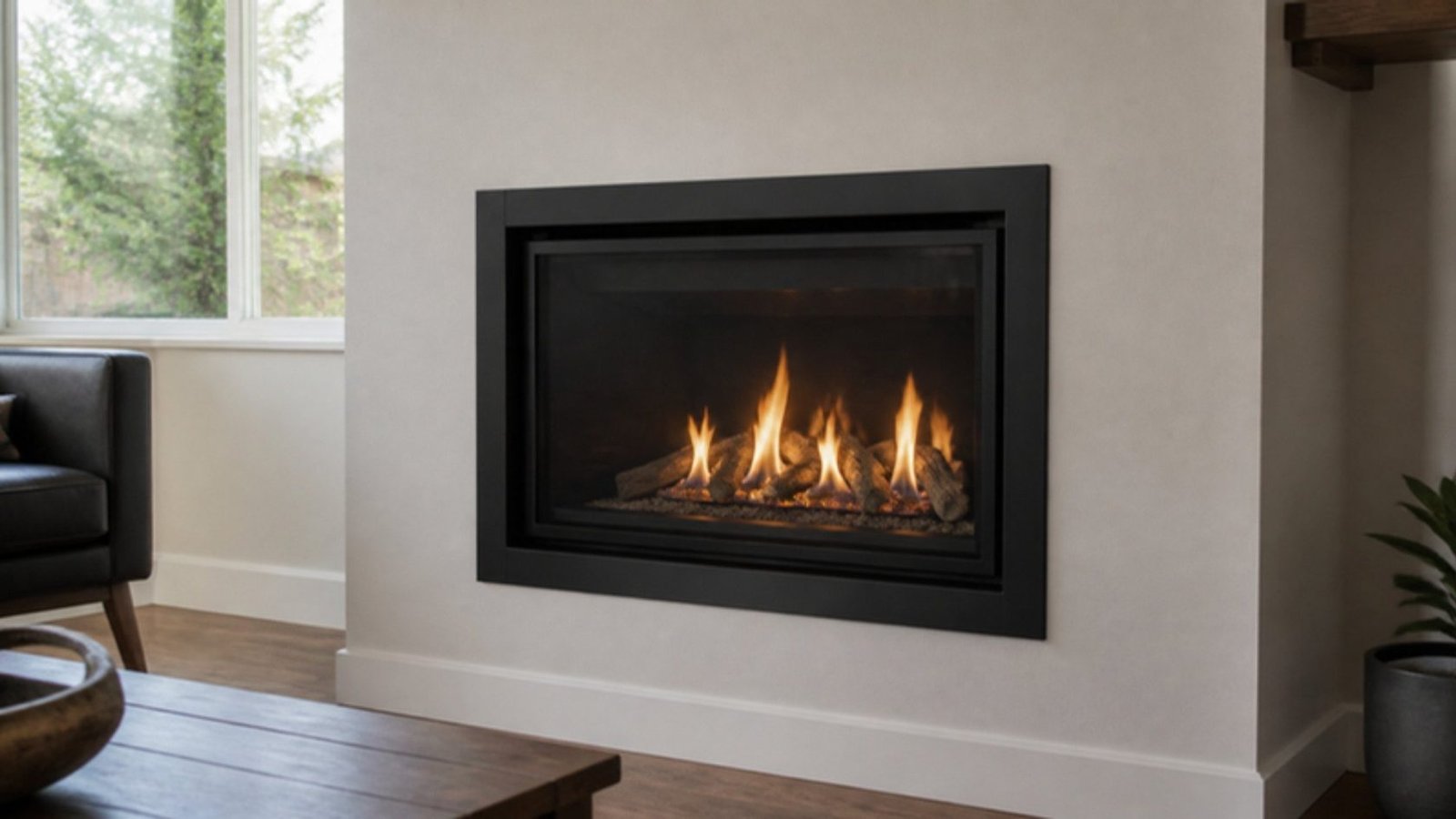
A sealed direct-vent unit can vent through a wall, which puts a fireplace in rooms a vertical flue was never going to reach.
You already have the firebox and the flue. Converting to gas uses both and turns something you light twice a year into something you use.
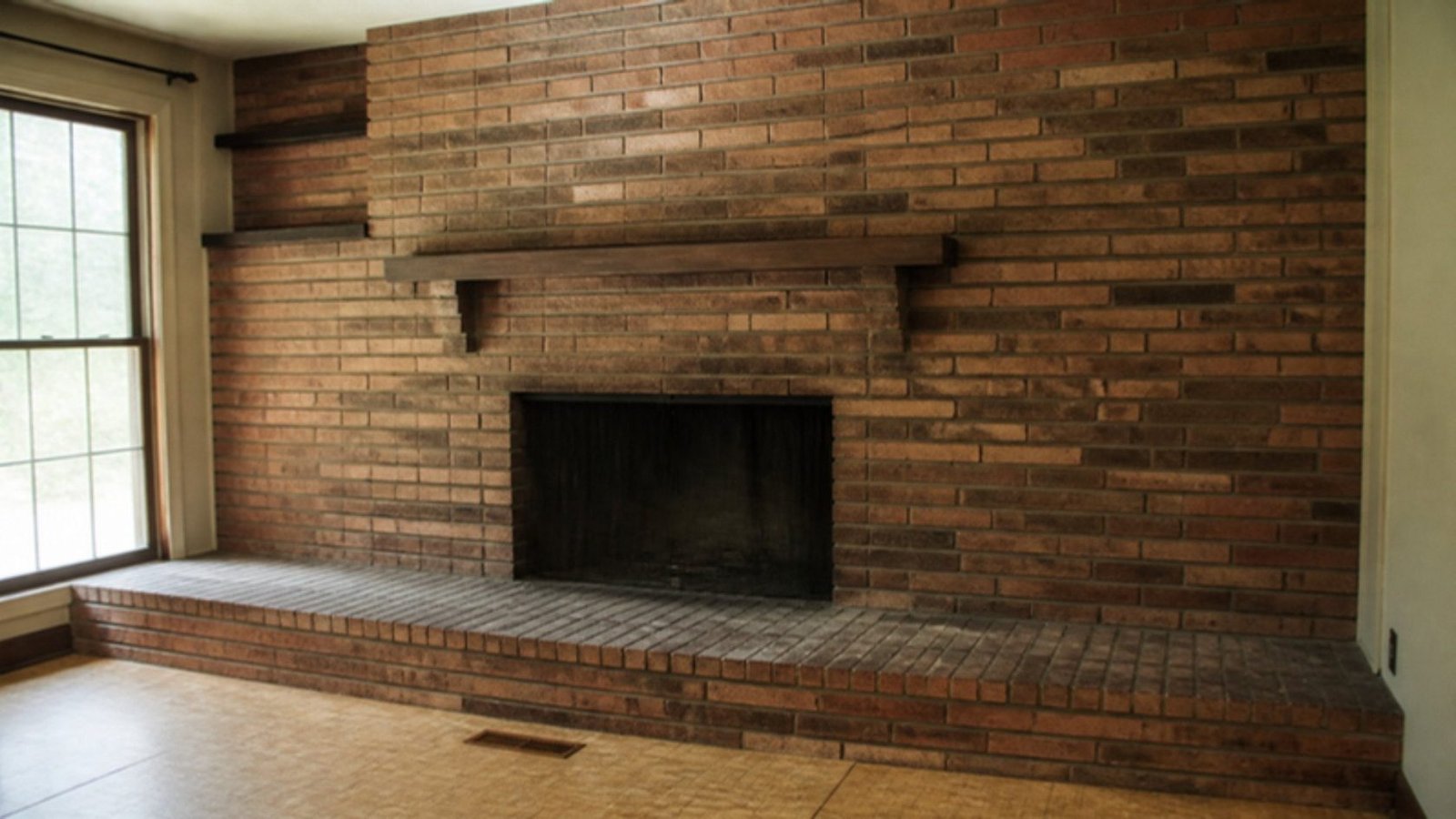
The fireplace works, it just belongs to 1978. New face, new hearth, new proportions, without touching what makes it function.
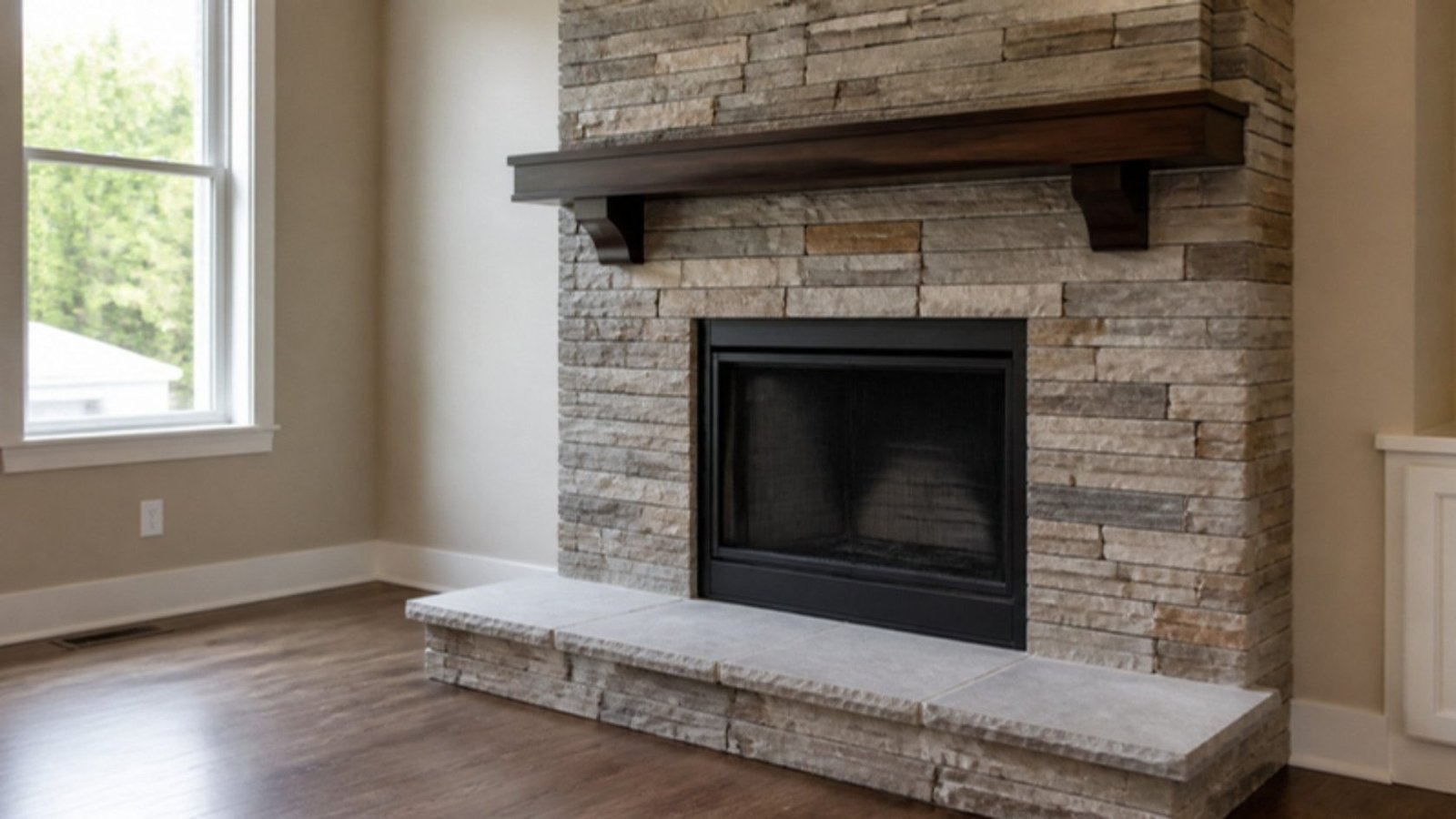
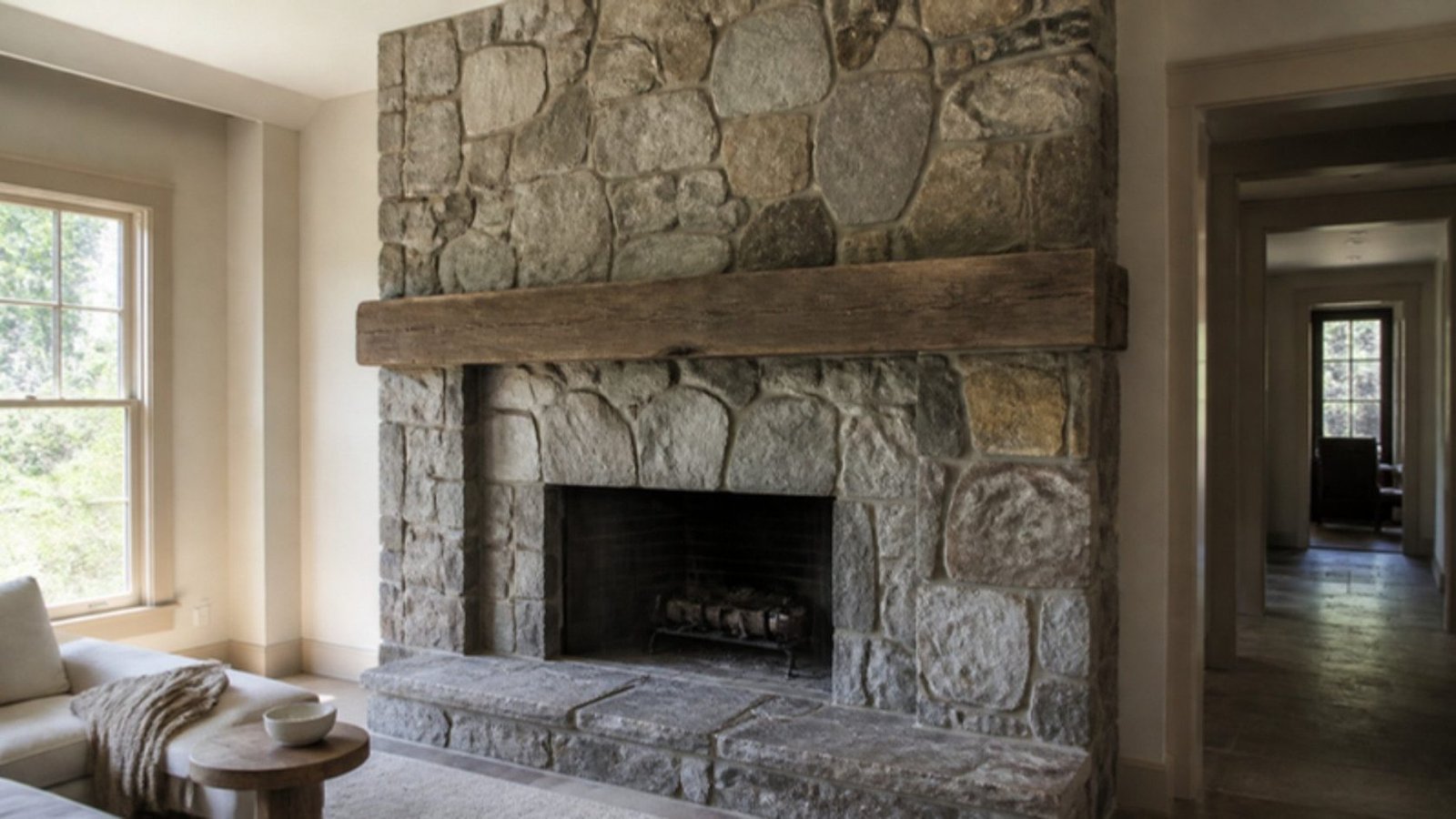
The masonry face around the opening. It carries its own weight, holds the mantel, and has to keep its distance from the fire.
CLIENT REVIEWS
See how Chimneyz solves complex chimney, roofline, masonry, and restoration issues with clear scopes and high-quality execution.