Crawl Space Encapsulation: Sealed, Dry, Conditioned.
Encapsulation turns the wet dirt cellar under your floor into a sealed, dry, conditioned part of the building. It is the permanent answer, and it only works on a crawl space that is already dry.
Bringing the Crawl Space Inside the Building Envelope
Encapsulation is not a thicker vapor barrier. It is a continuous sealed liner across the ground and up the stem walls, mechanically fastened and sealed at every seam, with vents closed, rim joists insulated and air sealed, and humidity controlled by a dedicated dehumidifier. The result is that the crawl space stops being outdoor space under your house and becomes part of the conditioned building envelope.
The reason this matters in the Pacific Northwest is air movement. Warm air rises and leaves through the upper floors, which draws replacement air in from the lowest point in the house. In a vented crawl space over bare soil, that replacement air is damp, carries ground moisture and whatever is growing down there, and arrives in your living space. Sealing the space addresses the humidity in the framing, the air quality upstairs and the heat lost through an uninsulated floor at the same time.
Encapsulation is also the step that must come last. A sealed liner over ground that still floods traps water underneath it and hides a problem that keeps working on your framing. Any contractor willing to encapsulate without first establishing that the space is dry is selling you an expensive lid. We confirm the water is handled before we seal anything.
How We Work
How We Encapsulate
A sealed space is only as good as its weakest seam, so the sequence and the detailing are everything.
Full system inspection
We confirm the space is dry and that drainage, framing and any rodent access have been dealt with. If they have not, we say so, because encapsulating over them is wasted money.
01
Define the Scope
The scope sets out liner specification and coverage, how the perimeter and penetrations are sealed, rim joist insulation, vent closure and the dehumidification and drainage arrangement.
02
Execute the Repair
Ground and stem walls are lined with a sealed, mechanically fastened liner, seams and penetrations taped and sealed, rim joists insulated and air sealed, vents closed and a dehumidifier installed and drained.
03
Verify & Document
We check the liner is continuous at every seam, pier and penetration, confirm the dehumidifier drains correctly and holds target humidity, and hand over full photographic documentation of a space you will rarely see again.
04
Our Projects
Real WORK. REAL Results.
See how we’ve helped homeowners across Seattle and surrounding areas solve chimney, roofing, and masonry problems with clear scopes and lasting repairs.
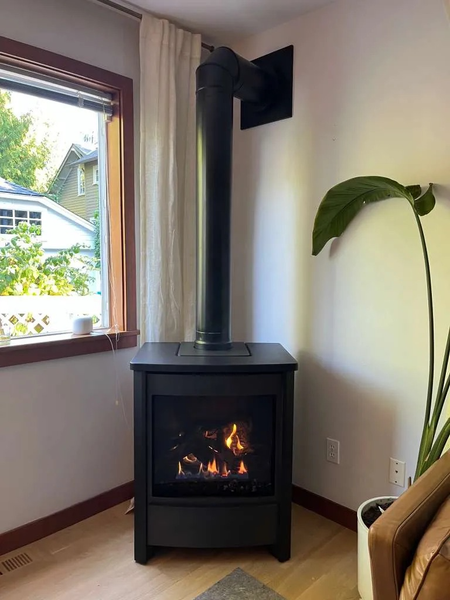
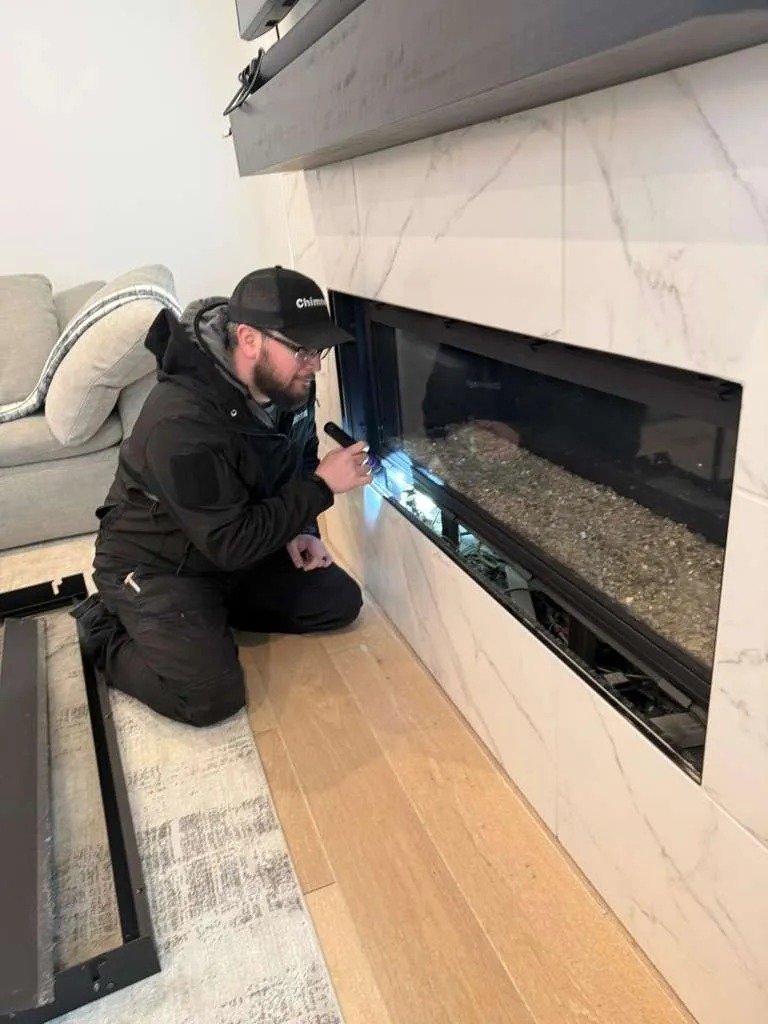
Freestanding Gas Fireplace Installation in Mercer Island, WA
Mercer Island, WA
Why Chimneyz
We Will Tell You When You Are Not Ready for It
Encapsulation is the most profitable thing a contractor can sell for a crawl space, which is exactly why it gets sold to houses that need drainage first. We assess the water before the liner, and if your crawl space needs repair or waterproofing before it is worth sealing, that is what we will quote. The sealed space lasts because the ground under it is dry.
GAF Certified Contractor
Factory-certified roofing installer with access to enhanced warranty coverage and proven materials.
BBB Accredited
Better Business Bureau accreditation with a commitment to ethical practices and customer satisfaction.
READY TO SOLVE THE FULL PROBLEM?
Get a Clear Inspection and the Right Repair Plan.
From chimney leaks and failing masonry to roofline issues and interior damage, Chimneyz helps homeowners identify the real source of the problem and fix it with one coordinated solution.
See how Chimneyz solves complex chimney, roofline, masonry, and restoration issues with clear scopes and high-quality execution.
FAQ
Crawl Space Encapsulation FAQ
Encapsulation is a significant investment, and the questions below decide whether it is the right one for your house.
What is the difference between a vapor barrier and encapsulation?
A vapor barrier is sheeting laid over the soil to slow ground moisture. Encapsulation is a sealed liner across the ground and up the walls, with vents closed, rim joists sealed and humidity actively controlled.
Does my crawl space need to be dry first?
Yes, and this is the question that matters most. Sealing a liner over ground that still takes on water traps it underneath and hides it. Drainage and any repairs come first, every time.
Should the vents really be closed?
In this climate, generally yes, once the space is sealed and conditioned. Vented crawl spaces were designed on an assumption about outdoor air that does not hold through a Pacific Northwest summer.
Do I need a dehumidifier as well?
In most encapsulated crawl spaces here, yes. Sealing stops new moisture arriving, but a dedicated dehumidifier is what holds the space at a stable humidity through the seasons rather than hoping it settles.
Will it lower my heating bill?
It usually helps, because you stop drawing cold damp air in at the lowest point of the house and stop losing heat through an uninsulated floor. The air quality and the protection of the framing are the larger gains.




 CALL NOW