A Surround Is Structural Masonry That Happens to Be Decorative.
The surround is everything you see around the firebox opening: the material on the face, the hearth in front of it, and the mantel across it. It reads as decoration, and in the way it is built it is not. Full-bed stone and brick are heavy – heavy enough that what they sit on and what they are tied back to matters, particularly on a surround that runs floor to ceiling. The usual failure is not the material. It is a face installed on a substrate or a support that was never built for the weight it ended up carrying.
The second thing a surround has to do is stay the right distance from the fire. Required clearances to combustible material govern how close a timber mantel can be to the opening and how deep the non-combustible hearth extension in front of it has to be. Those are numbers from the fireplace’s listing or from code, and they decide the design rather than the other way round. A mantel fixed too low, or a hearth extension built short because the tile ran out, is a real problem rather than a detail.
Within those constraints the choice is wide: full-bed natural stone, thin stone veneer over a prepared substrate, brick, cast stone, tile over a non-combustible backer. Each wants different support and different attention to how the material meets the floor, the ceiling and the walls either side. We build surrounds as masonry – support, substrate and ties first, then the face – which is the same order we use on an exterior veneer wall, for the same reason.
How We Work
How We Build a Surround
Support and substrate first, clearances fixed, then the face goes on.
Full system inspection
We establish the fireplace's required clearances, what is behind the existing face, and what the floor and wall can carry, because the material you want has to be supportable.
01
Define the Scope
You get the material, the extent, the mantel and the hearth specified against the clearances, with the support and substrate work it needs stated rather than assumed.
02
Execute the Repair
Support and a suitable substrate built, ties set where the material needs them, then the face laid and pointed, the hearth extension built to its required depth and the mantel fixed to real structure.
03
Verify & Document
We check the clearances to combustibles and the hearth extension depth against what the fireplace requires, confirm the mantel is properly fixed, and photograph the support and substrate before the face went on.
04
Our Projects
Real WORK. REAL Results.
See how we’ve helped homeowners across Seattle and surrounding areas solve chimney, roofing, and masonry problems with clear scopes and lasting repairs.
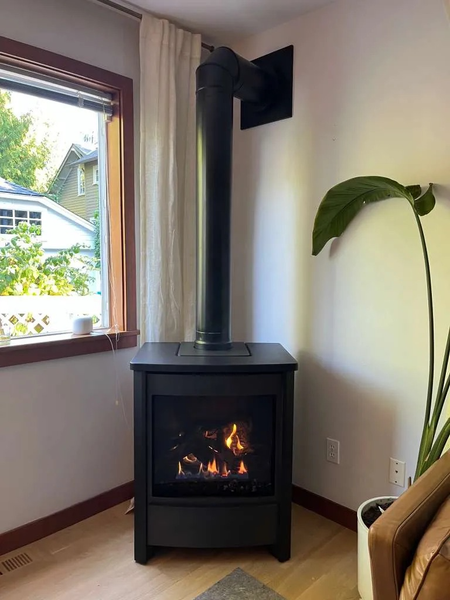
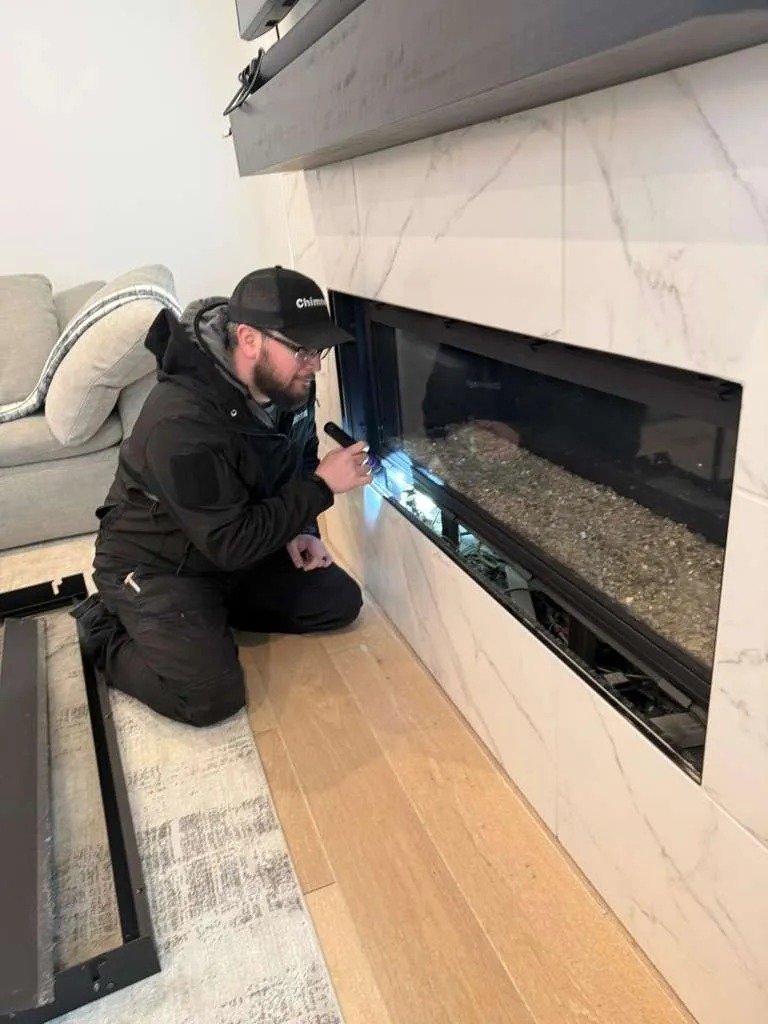
Freestanding Gas Fireplace Installation in Mercer Island, WA
Mercer Island, WA
Why Chimneyz
We Build the Thing It Hangs On
Fitting a stone face is the easy half. The half that decides whether it is still perfect in ten years is the support behind it and the way the material is tied back – which is the same problem as an exterior veneer wall, and it is our daily work. It is also why we will tell you when the surround you want needs the wall behind it built first.
GAF Certified Contractor
Factory-certified roofing installer with access to enhanced warranty coverage and proven materials.
BBB Accredited
Better Business Bureau accreditation with a commitment to ethical practices and customer satisfaction.
READY TO SOLVE THE FULL PROBLEM?
Get a Clear Inspection and the Right Repair Plan.
From chimney leaks and failing masonry to roofline issues and interior damage, Chimneyz helps homeowners identify the real source of the problem and fix it with one coordinated solution.
See how Chimneyz solves complex chimney, roofline, masonry, and restoration issues with clear scopes and high-quality execution.
FAQ
Fireplace Surround FAQ
Surrounds fail for structural reasons and get judged on visual ones.
What materials can a surround be built from?
Full-bed natural stone, thin stone veneer, brick, cast stone or tile over a non-combustible backer. The choice mostly comes down to weight, and therefore to what the floor and wall behind it can carry.
How close can the surround and mantel be to the opening?
Set by the fireplace’s listed clearances to combustibles. Stone and brick can come close; a timber mantel cannot. We design to those numbers before anything else is decided.
How deep does the hearth in front have to be?
It comes from the unit’s listing or the code for masonry fireplaces, not from the room. It is one of the most common things built short during a remodel, and it is not negotiable.
Can a floor-to-ceiling stone surround go on any wall?
Not without checking. Full-bed stone is heavy, and both the floor under it and the wall behind it have to carry and hold it. Where they will not, we build the support first.
Can you match the stone or brick elsewhere in my house?
Usually, from salvage or a current match, and matching is a large part of what we do on exterior masonry. Where an exact match is not available we will say so rather than get close and hope.




 CALL NOW