Chimney Liner Installation in the Seattle Area, WA.
The liner is the only part of a chimney that actually contains the exhaust. When it cracks, or was never there, everything the fire produces is in contact with the masonry.
The Chimney Is the Structure. The Liner Is the Pipe Inside It.
It is worth separating the two, because almost every other chimney problem is about the structure and this one is not. The brickwork, crown and flashing keep water out. The liner is the continuous passage inside that carries smoke, heat and combustion gases from the firebox to the top without letting them touch the masonry or the framing next to it. On older Puget Sound houses it is clay tile; on newer ones, or after a reline, it is stainless steel.
Three things put a flue out of service. Clay tiles crack – from a chimney fire, from a crown that let water in and froze, or simply from age and thermal cycling – and once a tile is cracked the gases have a route into the chimney cavity. Some older chimneys were never lined at all, which was legal when they were built and is not acceptable now. And a flue sized for an open wood fire is usually far too large for a modern appliance: an oversized flue runs cool, which means poor draft, condensation and creosote building where it should not.
Relining means running a correctly sized liner down the existing chimney and connecting it properly at both ends – insulated where that is required, terminated and capped at the top. The size is set by the appliance it serves, not by the chimney, which is why the first question is always what the flue is actually for. We also say plainly when relining is not the answer: a stack with structural problems needs those addressed first, because a new liner inside a failing chimney is money spent in the wrong order.
How We Work
How We Reline a Flue
Inspect the flue, size to the appliance, run the liner, connect and terminate it properly.
Full system inspection
We establish what is in the chimney now - clay tile, steel or nothing - and its condition, then what appliance the flue serves, because the appliance is what decides the correct size.
01
Define the Scope
You get the liner specified by diameter and material for your appliance, insulation called out where it is needed, and any masonry work the chimney requires stated separately rather than bundled in.
02
Execute the Repair
The liner run the full height of the flue, connected at the appliance, insulated where required, and terminated and capped at the top so water and animals stay out of it.
03
Verify & Document
We check the installed liner end to end, confirm the connections and the termination, and hand over photographs and the manufacturer documentation for the liner that went in.
04
Our Projects
Real WORK. REAL Results.
See how we’ve helped homeowners across Seattle and surrounding areas solve chimney, roofing, and masonry problems with clear scopes and lasting repairs.
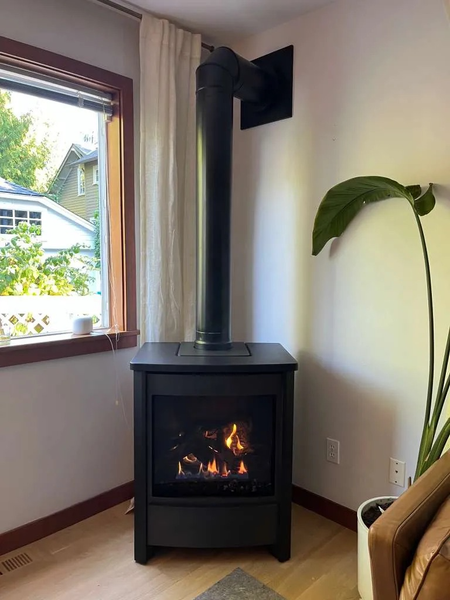
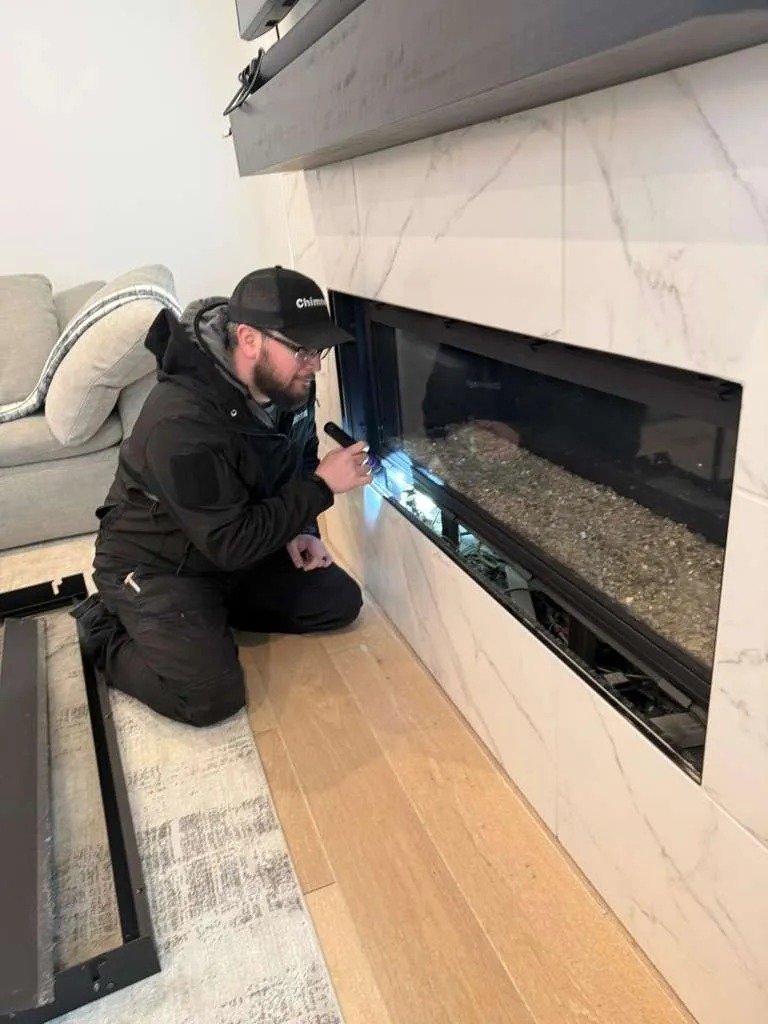
Freestanding Gas Fireplace Installation in Mercer Island, WA
Mercer Island, WA
Why Chimneyz
We See the Chimney Around It
A liner goes inside masonry that somebody should have assessed first, and relining a chimney whose crown is cracked and whose joints are open just puts a new pipe inside a wet structure. Because the masonry is our main trade, we look at the whole stack before quoting the liner, and we will tell you if the right order of work is the other way round.
GAF Certified Contractor
Factory-certified roofing installer with access to enhanced warranty coverage and proven materials.
BBB Accredited
Better Business Bureau accreditation with a commitment to ethical practices and customer satisfaction.
READY TO SOLVE THE FULL PROBLEM?
Get a Clear Inspection and the Right Repair Plan.
From chimney leaks and failing masonry to roofline issues and interior damage, Chimneyz helps homeowners identify the real source of the problem and fix it with one coordinated solution.
See how Chimneyz solves complex chimney, roofline, masonry, and restoration issues with clear scopes and high-quality execution.
FAQ
Chimney Liner FAQ
The liner is the part of the chimney you cannot see and the fire depends on entirely.
What does a chimney liner actually do?
It contains the exhaust. Smoke, heat and combustion gases travel inside the liner rather than against the brickwork and the framing beside it, and it gives the flue the smooth, correctly sized passage it needs to draw.
How do I know if my liner has failed?
You generally cannot from the ground – it takes an inspection of the flue. The signs that bring people to it are a smoke smell in rooms, poor draft, debris in the firebox, or a chimney fire at some point in the past.
Does an old chimney have to be relined?
Not automatically. Sound clay tile can stay. Relining is for cracked tile, an unlined flue, or a flue the wrong size for the appliance now connected to it.
Why does flue size matter?
An oversized flue runs cool. A cool flue drafts poorly and lets moisture and creosote condense inside it. The liner is sized to the appliance it serves, which is why we ask what the flue is for before anything else.
Can the chimney be used while the liner is being replaced?
No. The flue is out of service until the liner is in, connected and checked, and we would rather say that at the start than have you plan around it.




 CALL NOW