Sammamish is a community that prides itself on a specific aesthetic: a blend of modern Pacific Northwest architecture and the rugged, natural beauty of the Plateau. Whether you are looking to enhance your home’s curb appeal with a stunning exterior facade or create a contemporary floor-to-ceiling fireplace surround, stone veneer is the premier choice.
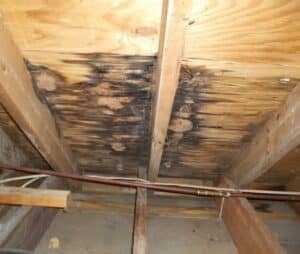
However, building a stone veneer wall in Sammamish isn’t just about sticking stones to a surface. Because our region faces unique environmental pressures, including high humidity and specific seismic requirements, the installation process must be precise. A “shortcut” in masonry often leads to moisture trapped behind the stone, resulting in mold or structural rot. Doing it the “right way” ensures that your investment remains beautiful and structurally sound for a lifetime.
Choosing the Right Material: Natural vs. Manufactured
The first step in any Sammamish masonry project is selecting the right type of stone. In modern design, we generally see two paths:
- Natural Stone Thin Veneer: This is real stone quarried from the earth and sawn to a thickness of roughly one inch. It offers unparalleled color depth and durability. Because it is genuine stone, it will never fade and is naturally resistant to the PNW’s moss and algae growth.
- Manufactured Stone (Cultured Stone): These are man-made “stones” created from a concrete mix poured into molds. They are lighter and often more cost-effective. Modern manufacturing has made these look incredibly realistic, though they require a higher-quality sealant to prevent color fading over decades.
For Sammamish homes, we often recommend natural stone veneer for exterior projects due to its superior performance against our heavy rainfall.
The Critical Foundation: Moisture Management
In Sammamish, a stone wall is only as good as what is behind it. This is where many non-specialized contractors fail. Because stone and mortar are porous, they absorb water. If that water has nowhere to go, it will eventually penetrate your home’s sheathing.
The “right way” involves a dual-barrier system. First, a high-quality water-resistive barrier (WRB) is applied to the wall. Over this, we install a “drainage mat” or a rainscreen. This creates a small air gap between the stone and your house, allowing moisture to drain down and out through “weep holes” rather than soaking into your wood framing. This practice aligns with the Building Science Corporation’s recommendations for high-performance building envelopes in wet climates.
Preparation and the Scratch Coat
Once the moisture barrier is secure, we install a heavy-duty galvanized metal lath. This acts as the “skeleton” for the stone. A scratch coat, a base layer of specialized mortar, is then applied over the lath.
The scratch coat must be allowed to cure properly before any stone is applied. This layer creates a textured surface that allows the final mortar to form a mechanical bond with the stone. In the cooler, damp months on the Sammamish Plateau, managing the cure time is essential. If the mortar dries too slowly or freezes before it sets, the bond will fail, and stones will eventually begin to pop off the wall.
The Art of the Stone Layout
A modern stone veneer wall should look effortless, but the layout is meticulously planned. Our masons use a technique called dry-stacking or tight-jointing for modern applications. This minimizes the visible mortar, allowing the texture and shape of the stone to take center stage.
We pay close attention to:
- Corner Transitions: We use “L-shaped” corner pieces to give the illusion of full-depth stones, ensuring the wall doesn’t look like a thin “sticker” was applied to the house.
- Color Distribution: We pull stones from multiple crates simultaneously to ensure a natural variation in tone across the entire surface.
- Leveling: Even for “rugged” looks, maintaining a consistent horizontal line is vital for a modern, professional finish.
Seismic Considerations and Local Safety
Washington state is located in a high seismic zone. Properly installed stone veneer is actually safer than full-depth stone in an earthquake because it is significantly lighter and is bonded directly to the structural framing of the house. According to the Federal Emergency Management Agency (FEMA), lightweight veneers are a preferred choice for residential masonry in earthquake-prone areas when installed following modern IBC (International Building Code) standards.
Why Choose Chimneyz for Sammamish Masonry
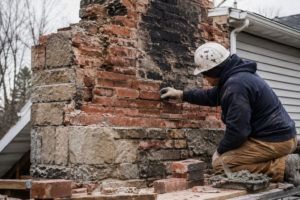
At Chimneyz, we don’t just build walls; we build lasting impressions. We understand the local Sammamish building codes and the specific moisture-mitigation strategies required for our unique climate. Our team combines old-world craftsmanship with modern building science to ensure your stone veneer project is a masterpiece of form and function.
Elevate Your Property with Expert Masonry
Ready to transform your home with a modern stone veneer wall? Whether it’s an interior accent or an exterior upgrade, the experts at Chimneyz are here to guide you through every step of the process, from design to the final stone placement. We bring precision, safety, and PNW expertise to every project on the Plateau. Contact Chimneyz today for a consultation and let’s build something beautiful together.