Discovering water dripping from your attic ceiling during a heavy downpour is a stressful experience for any homeowner. The immediate, instinctual reaction is to dial a local roofing contractor. After all, if water is coming through the top of the house, it must be a shingle or underlayment issue. While roofers are masters of their specific trade, they are frequently called out to solve problems that actually originate outside their scope of expertise.
When a roofing crew inspects a mysterious attic drip, they primarily look for cracked shingles, compromised valleys, or punctured underlayment. If your roof deck is completely intact, a traditional roofer may apply a temporary patch of mastic caulk around an intersection and call it a day. Unfortunately, this often treats a symptom rather than the underlying structural issue. Many recurring water issues are actually structural failures where the roof line intersects with complex home ventilation and heating systems.
The Complicated Intersection of Roofs and Chimneys
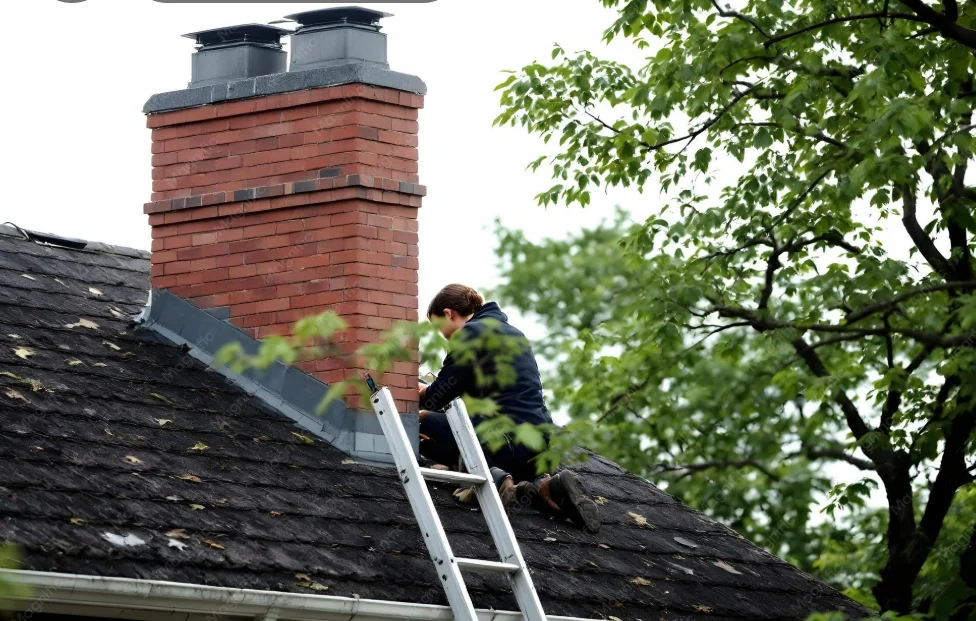
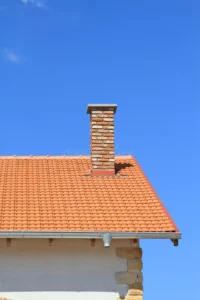
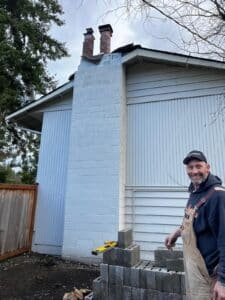
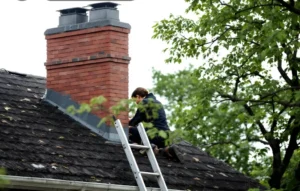
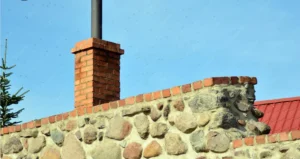
The most common culprit behind a misdiagnosed attic leak is the chimney. A chimney is not merely an extension of your roof; it is a heavy, independent masonry or metal structure that penetrates through your home’s building envelope. The point where the shingles meet the brickwork is a hotbed for structural movement and water vulnerability.
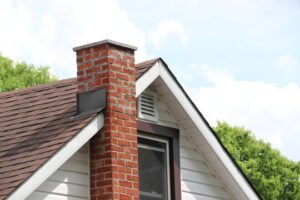
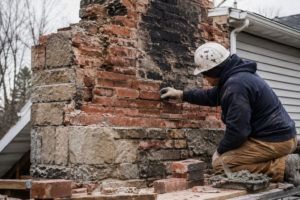
Roofs utilize specialized metal woven patterns called counter-flashing and step-flashing to bridge the gap between masonry and wood framing. Because chimneys and roof decks expand, contract, and settle at entirely different rates due to seasonal thermal changes, these flashing joints experience immense physical stress. A standard roofer can replace the metal tin, but they rarely have the specialized tools to grind out mortar joints and deeply embed the counter-flashing back into the stone matrix. When flashing separates from aging brickwork, water bypasses the shingles entirely and pours straight down the exterior chimney breast into your attic.
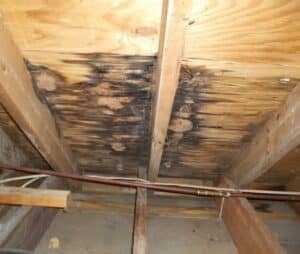
Furthermore, water entering through the top of the chimney is frequently mistaken for a roofing failure. According to safety parameters outlined by the Chimney Safety Institute of America (CSIA), a cracked concrete chimney crown or a missing chimney cap allows rainfall to saturate the porous interior bricks. Once the masonry reaches its moisture holding capacity, the water migrates laterally. It bleeds through the brickwork inside the attic, soaking the insulation and drywall, perfectly mimicking a classic roof leak.
Porous Masonry and the Freeze-Thaw Cycle
If your home features a beautiful brick or stone chimney stack, the building material itself could be acting like a giant sponge. Unlike asphalt shingles, which are designed to shed water instantly, masonry products are inherently porous. Brick, stone, and the mortar holding them together absorb environmental moisture over time.
During cold winter months, this absorbed water undergoes a destructive phase known as the freeze-thaw cycle. When trapped water freezes, it expands by roughly nine percent, fracturing the internal structure of the brick and crumbling the mortar from the inside out. As temperatures rise and the ice melts, these newly formed internal pathways allow heavy rain to penetrate deep into the structure.
A traditional roofer is not equipped to perform tuckpointing, replace spalling bricks, or apply vapor-permeable silane-siloxane water repellents to masonry walls. Addressing these defects requires a deep understanding of historic masonry preservation and material science. Calling a roofer to fix spalling brick water intrusion usually results in caulking over a structural problem, trapping moisture inside the wall and accelerating the decay of your attic framing.
Condensation and Secondary Ventilation Failures
Sometimes, the water dripping from your attic rafters isn’t rain at all. Structural condensation is a major source of phantom attic leaks, particularly during extreme weather. Modern homes require a precise balance of attic ventilation and appliance exhaust management to keep building materials dry.
If a furnace flue, water heater vent, or heavy-duty bathroom exhaust fan becomes disconnected or cracked inside the attic space, it will release vast amounts of hot, humid air directly into the unconditioned attic. When this warm moisture hits the freezing underside of your roof deck during winter, it immediately condenses into liquid water or frost. When the sun warms the roof, the accumulated frost melts rapidly, creating a localized indoor downpour that ruins your ceilings.
Roofers can install static intake or exhaust vents, but they do not specialize in the mechanical draft dynamics of heating systems or internal appliance ventilation. Diagnosing and repairing cracked gas vents or mismanaged appliance exhaust systems requires specialized technicians who understand the comprehensive physics of whole-home airflow.
The Benefits of a Coordinated System Diagnosis
To definitively stop an elusive attic leak, you need a contractor who views your home as a single, interconnected system rather than a collection of separate projects. Choosing a comprehensive specialist eliminates the frustrating cycle of finger-pointing between different trades. When you work with an expert team proficient in both exterior building envelopes and complex masonry systems, you receive a single, accountable scope of work.
A unified diagnostic approach ensures that every variable, from shingle integrity and metal flashing mechanics to brick porosity and chimney liner safety, is evaluated simultaneously. This full-system overview prevents temporary patchwork, saves you thousands of dollars in repeated diagnostic fees, and ensures the structural integrity of your home remains completely protected against the elements.
Are you tired of chasing mystery attic leaks and dealing with temporary quick-fixes that fail during the next heavy rainstorm? Don’t leave your home’s structural integrity to chance or deal with the headache of coordinating multiple contractors who only see half the problem. At Chimneyz LLC, we combine advanced roofing knowledge, certified chimney expertise, and master masonry skills under one accountable roof to diagnose and repair the true root cause of your water intrusion. Contact our team today to schedule a comprehensive, full-structure inspection and secure long-term peace of mind for your home.