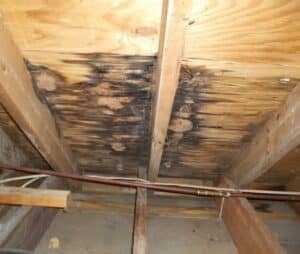
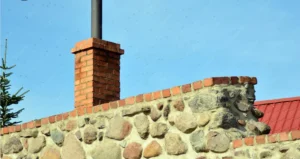
It is a common and frustrating scenario for homeowners in Kirkland: you’ve invested in a brand-new roof to stop those nagging water stains, but the next time a classic Lake Washington storm rolls in, the ceiling around your fireplace is wet again. Most people assume the roofing contractor made a mistake, but more often than not, the issue isn’t the roof; it’s the masonry exhaust system.
A chimney is an independent structure that penetrates your roofline, creating a complex intersection of materials. While a roofer is an expert at shingles and underlayment, they are rarely masonry specialists. If your chimney continues to leak after a roof repair, you are likely dealing with a “systemic” masonry failure that a shingle cannot fix. Here is why your Kirkland home is still taking on water and how to address it for good.
1. The Porosity of Kirkland Brick
The most overlooked cause of a leak is the brick itself. Standard clay bricks are essentially hard sponges. In Kirkland, where we experience “wind-driven rain,” water doesn’t just run down the chimney; it is pushed deep into the pores of the masonry. If your chimney is older or has not been professionally sealed, the bricks can become saturated.
Once a brick reaches its saturation point, the water begins to migrate inward via capillary action, eventually soaking the interior framing and drywall. This is why a leak might only appear after several hours of steady rain. To solve this, you don’t need more roofing, you need a professional-grade, vapor-permeable water repellent that stops liquid water while allowing the brick to breathe.
2. Failed Counter-Flashing
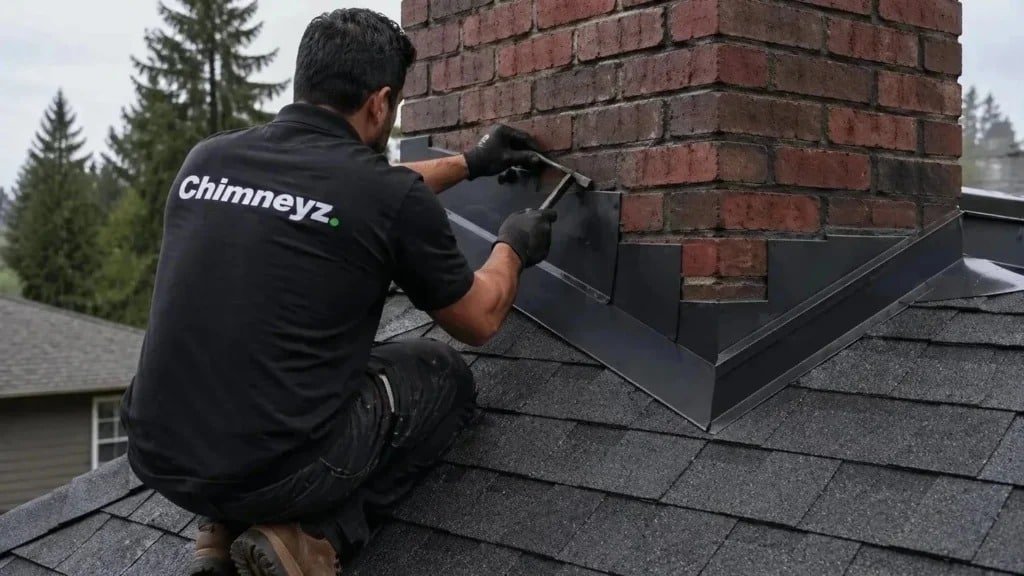
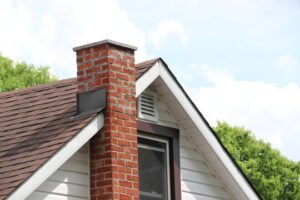
When a new roof is installed, roofers typically install “step flashing” (metal pieces tucked under the shingles). However, the counter-flashing, the metal that covers the top of the step flashing and is embedded into the chimney mortar, is often reused or improperly sealed.
In the Pacific Northwest, the constant expansion and contraction of materials due to temperature swings can pull this metal away from the masonry. If the roofer simply applied a bead of caulk instead of “grinding” the metal into a mortar joint, that seal will eventually fail. At Chimneyz, we often find that “roofing leaks” are actually just gaps in the masonry-to-metal transition that require a mason’s touch to fix permanently.
3. The “Invisible” Chimney Crown Cracks
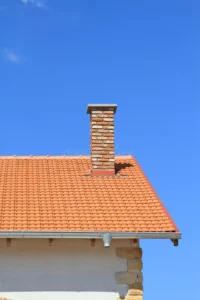
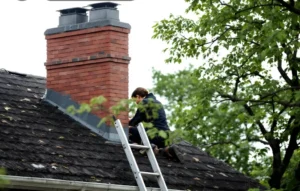
If you were to climb a ladder and look at the very top of your chimney, you would see a concrete slab called the crown. From the ground, a crown might look fine, but Kirkland’s freeze-thaw cycles often leave it riddled with hairline fractures.
Because the crown is flat or only slightly sloped, water sits on it. Gravity then pulls that water into the cracks, where it travels down the inside of the chimney structure, bypassing the new roof entirely. According to the International Association of Certified Home Inspectors (InterNACHI), a cracked crown is one of the top three causes of residential water intrusion. If your roofer didn’t inspect the top of the masonry, they missed the most likely entry point for water.
4. Compromised Mortar Joints
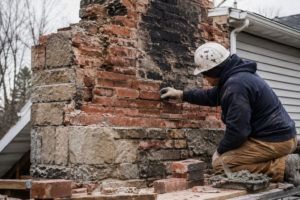
Mortar is significantly more porous than brick. Over time, the mortar joints on Kirkland chimneys can develop “vertical separation”, small gaps where the mortar has pulled away from the brick. During a heavy downpour, these gaps act like gutters, funnelling water directly into the wall cavity.
A new roof cannot stop water from entering through the side of a chimney. This requires tuckpointing, the process of removing the failing mortar and replacing it with new material that matches the original’s strength and color. This not only stops the leak but restores the structural integrity of the entire stack.
5. Deteriorated Chimney Shoulders
Many Kirkland homes feature chimneys that “step in” or narrow as they go up. These horizontal areas are called shoulders. Because they are not vertical, they take a direct hit from every rainstorm. If these shoulders are capped with brick or poor-quality mortar rather than a solid stone or concrete wash, water will inevitably soak through. This is a masonry design issue that no amount of roofing felt can solve.
The Importance of a Professional Masonry Inspection
In the Puget Sound region, moisture management is a specialized field. While a general contractor or roofer sees a chimney as a “pipe on the roof,” a mason sees it as a complex, breathing structure. According to the Washington State Department of Enterprise Services building standards, maintaining a weather-tight envelope is critical for preventing long-term rot and mold in our humid climate.
If your “roof leak” has survived a roof replacement, it is time to look at the masonry. At Chimneyz, we specialize in diagnosing the hidden entry points that others miss. We use advanced techniques to ensure that your chimney is as waterproof as your new roof.
Stop the Leak Once and For All
Tired of chasing the same water stain every time it rains? Don’t let a failing chimney ruin your new roof investment. The team at Chimneyz provides expert diagnostic services and permanent masonry solutions for Kirkland homeowners. We’ll find exactly where the water is getting in and provide a lasting fix that keeps your home dry and your fireplace safe. Contact Chimneyz today for your comprehensive chimney leak evaluation.