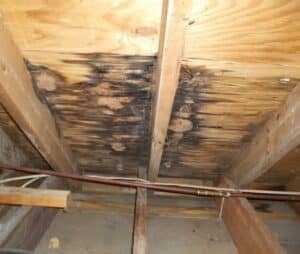
For many property owners, the attic is a classic case of “out of sight, out of mind.” It is a space rarely visited unless you are pulling down seasonal decorations or shifting stored boxes. Because this upper zone is so isolated from daily living areas, dangerous environmental shifts can develop completely unnoticed. One of the most alarming discoveries a homeowner can make during a routine trip upstairs is the presence of dark, fuzzy, or patchy discoloration spreading across the raw wooden rafters and roof sheathing.
Discovering mold colonization in your attic is a serious structural and health issue, but the source of the moisture is often misunderstood. While a physical roof puncture or broken chimney flashing can certainly introduce water, a shocking percentage of attic mold cases have absolutely nothing to do with external rainwater leaks. Instead, the root culprit is almost always inadequate or unbalanced roof ventilation that traps stale, humid air inside the building envelope.
The Destructive Science of Attic Condensation
To understand how a lack of airflow creates a biological hazard, it helps to examine the natural movement of heat and moisture within a typical residential home. Daily household activities, such as hot showers, boiling water on the stove, running dishwashers, and even standard respiration, generate gallons of airborne water vapor every single day.
Because warm air naturally rises via the stack effect, this invisible, moisture-laden indoor air migrates upward through microscopic drywall gaps, light fixtures, and attic hatches. Once this warm, humid air settles into an unventilated attic space, it hits a major thermal barrier during the colder winter months. The underside of your wooden roof deck is directly exposed to outside temperatures, making it incredibly cold.
When the warm, wet indoor air comes into direct contact with that freezing wood sheathing, it undergoes a rapid state change called condensation. The air drops its moisture instantly, transforming into literal liquid water droplets that saturate the raw wood. Because mold spores exist naturally in the air, all they require to explode into active, toxic colonies is a consistent moisture source and an organic food supply, which your raw plywood rafters provide perfectly.
The Mechanical Blueprint of Balanced Roof Ventilation
Eliminating attic condensation entirely requires a continuous, passive cycle of fresh airflow. A scientifically sound residential roof ventilation setup relies on a balanced system of intake and exhaust channels working together:
- Intake Ventilation: Typically located along the lower eaves of the roofline through soffit vents. These openings allow fresh, cool, dry air from the outside to enter the base of the attic space.
- Exhaust Ventilation: Usually installed along the absolute highest peaks of the roofline through a ridge vent or static box vents. This path allows the rising hot, humid air to escape freely back into the atmosphere.
As the hot air exits through the top vents, it creates a natural vacuum that draws fresh, cool air in through the lower soffit openings. This continuous, unbroken circulation sweeps water vapor out of the attic before it ever has a chance to cool down, pool on the rafters, or condense into standing liquid droplets.
If your soffits are accidentally packed tightly with thick fiberglass insulation blankets, or if a previous roofing crew failed to cut matching exhaust slots along the ridge line, the cycle breaks down entirely. The stagnant air stalls, turning your upper framing into a humid greenhouse. According to building safety codes curated by the Federal Emergency Management Agency, maintaining continuous passive attic ventilation is an essential requirement for preventing structural rot and securing long-term residential resilience.
High-Cost Penalties of Ignoring Attic Humidity
Allowing mold and trapped humidity to fester inside your roof structure results in severe structural and financial consequences over time. Wood that remains chronically damp loses its cellular density, leading to dry rot that softens structural roof rafters and causes the roof deck to sag visibly from the street below.
Furthermore, high attic temperatures during the winter can heat up the base layer of snow sitting on your roof shingles. The melting snow runs down the slope to the unheated eaves, where it refreezes into thick, heavy ice blocks known as ice dams. These ice dams trap subsequent runoff, forcing water backward under your shingles, destroying your underlayment, and flooding your interior drywall walls.
From a health perspective, mold colonies will eventually migrate downward into your lower living zones through ceiling fixtures and HVAC vents. Exposure to these airborne spores can cause persistent allergic reactions, coughing fits, and severe respiratory strain for younger children or elderly family members. Data published by the Centers for Disease Control and Prevention confirms that remediating indoor moisture immediately and establishing proper home ventilation protocols are non-negotiable steps for safeguarding structural integrity and residential health.
Secure Your Home’s Air Quality with Chimneyz LLC
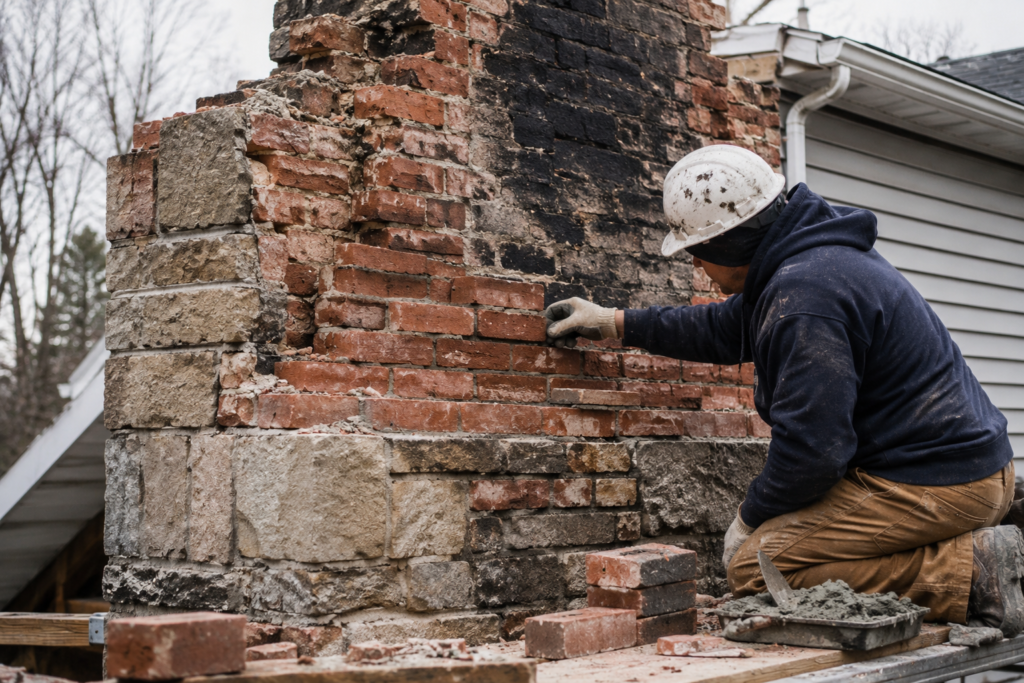
Remediating attic moisture issues requires looking at your property as a complete, integrated system. At Chimneyz LLC, we provide the comprehensive property preservation, structural masonry care, and exterior optimization services needed to keep your home’s envelope perfectly secure and well-ventilated. Whether your attic humidity stems from blocked air paths, compromised flashing around your chimney transitions, or cracked masonry allowing localized dampness to travel inward, our expert technicians possess the field experience to diagnose and correct the issue at its source. Do not allow hidden mold to threaten your family’s health and ruin your structural framing, contact our dedicated team today to schedule a thorough professional property assessment.