Residents of the Pacific Northwest are no strangers to wet weather, but there is a massive structural difference between a gentle seasonal drizzle and a full-blown atmospheric river event. When winter weather systems roll in off the Pacific Ocean, they bring sustained winds, torrential downpours, and heavy snow loads that put immense physical pressure on residential properties. Your roof is your home’s primary shield against these intense seasonal climates, making preventative care a necessity rather than an afterthought.
Waiting until a major storm warning flashes on your phone is the worst time to discover a hidden vulnerability in your building envelope. Taking a proactive approach to exterior home maintenance allows you to identify and fix small issues before they transform into costly interior water damage. Preparing your roof structural components for seasonal weather systems requires a focused checklist tailored specifically to the environmental realities of our unique region.
Clear the Path: Mitigation of Organic Debris and Moss
In the forested environments of the Pacific Northwest, organic material is one of the most persistent threats to roof line longevity. Evergreen trees drop needle blankets, pinecones, and small branches year-round, which naturally gather in the valleys and low-pitch sections of your roof plane.
When left undisturbed, this organic matter decays, turning into a rich compost layer that holds water directly against your roofing materials. This trapped moisture acts as a prime catalyst for rapid moss and lichen colonization. Thick moss pads act like heavy sponges, soaking up gallons of rainwater during a storm and holding it against the underlying shingles. As temperatures drop, this trapped water freezes and expands, breaking critical material bonds and causing shingles to curl, crack, or lift away entirely.
Before storm season reaches its peak, all organic debris must be safely removed from the roof deck using soft-wash techniques. Avoid using high-pressure power washers, which strip away the protective mineral granules on asphalt shingles and permanently shorten their operational lifespan.
Secure the Drainage: Critical Gutter Maintenance
A roof can only shed water effectively if its corresponding drainage network is fully functional. During an intense Pacific Northwest downpour, gutters must process hundreds of gallons of water rushing off the roof slopes every minute.
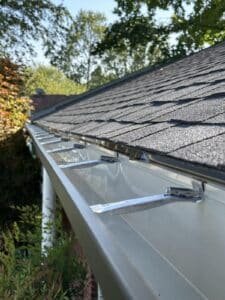
If your gutters are packed tightly with fall leaves and pine needles, the system fails rapidly. Water fills the clogged channels and backs up under the lower edge of the roofline, bypassing the protective drip edge flashing. From there, it saturates the wooden fascia boards, rots out soffits, and leaks down into your interior wall cavities. Additionally, the sheer weight of standing water in a clogged gutter can pull the hardware fasteners completely out of your home’s framing, causing entire sections of the drainage system to collapse mid-storm.
Ensure gutters and downspouts are thoroughly flushed out, and inspect all support brackets to guarantee the system can handle heavy hydrological loads without bending or sagging.
Inspect Critical Roof Penetrations and Chimney Transitions
The vast majority of residential roof leaks do not occur in the middle of an open expanse of shingles; instead, they develop at transitions where the roof line is breached by architectural features like vents, skylights, and chimneys.
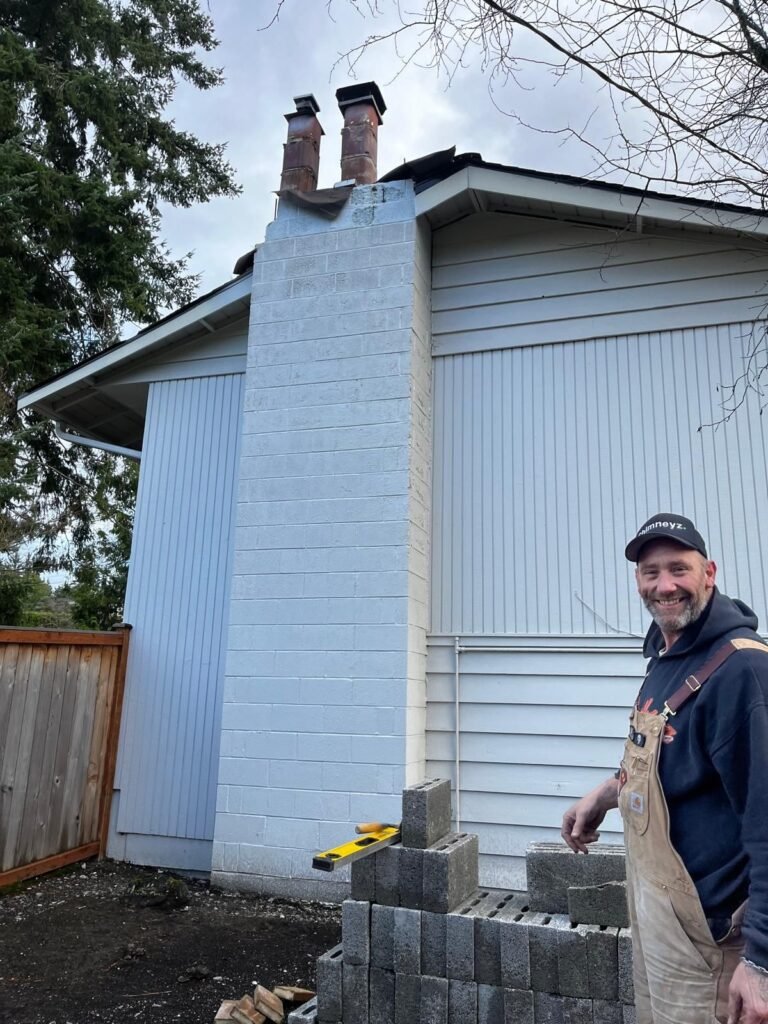
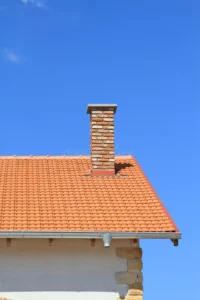
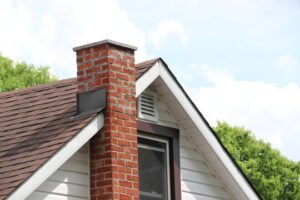
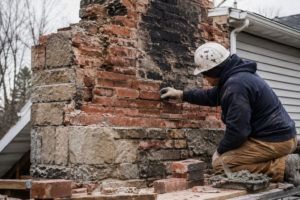
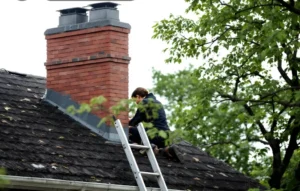
Chimney structures require close evaluation before the storm season arrives:
- Flashing Deficiencies: The metal flashing sheets bridging the gap between your chimney masonry and your shingles must be tightly sealed. High winds can loosen these metal components, allowing wind-driven rain to pass beneath them.
- Masonry Fractures: Porous brick and mortar joints absorb moisture. When severe cold snaps hit, that trapped water freezes, widening cracks and creating pathways for water to leak down the interior of the flue structure.
- Crown Deterioration: The concrete slab at the top of a chimney often cracks over time, allowing rainwater to flow directly into the internal brick core.
According to safety and property preservation guidelines from the Federal Emergency Management Agency, executing timely inspections of structural junctions and keeping water-shedding pathways clear are essential strategies for mitigating storm-related property damage.
Prune Surrounding Overhanging Branches
The final phase of storm preparation involves looking up at the surrounding landscape. Tall Douglas firs, cedars, and maples add immense beauty to Pacific Northwest properties, but heavy, low-hanging limbs present a major hazard during high wind events.
Strong winter wind gusts can whip large branches against your roof deck, scraping away protective coatings or puncturing modern roofing materials entirely. Furthermore, winter ice accumulation can cause weakened limbs to snap completely, sending massive weights crashing through your roof structure. Prune back any heavy branches within ten feet of your roof line to eliminate impact risks and significantly reduce the volume of leaves dropped onto your shingles and into your gutters.
Secure Your Northwest Home with Chimneyz LLC
Don’t let seasonal storms compromise the safety and value of your property. At Chimneyz LLC, we provide expert masonry care and property preservation services designed to help your home withstand the toughest Pacific Northwest weather systems. From professional chimney inspections and advanced masonry waterproofing to correcting compromised flashing transitions and stabilizing structural features, our skilled technicians ensure your exterior systems are fully prepared for heavy rains and freezing temperatures. Protect your family and avoid expensive structural repairs by partnering with our local team, contact us today to schedule your comprehensive pre-storm assessment.