A severe downpour can test the limits of your entire home’s exterior water management infrastructure. When atmospheric river events or heavy seasonal storms drop inches of water in a matter of hours, property owners naturally look upward to check their shingles and gutters. While managing roofline runoff is critical, the true structural crisis during a massive storm often develops entirely out of sight, directly beneath the soil surrounding your home.
Your foundation structure relies on a hidden network of sub-grade drainage lines, frequently called French drains or weeping tiles, to divert subsurface water safely away from your crawlspace or basement. However, when an extraordinary volume of rain saturates the earth, these subterranean systems can quickly become inundated. Understanding the mechanical forces that cause foundation drainage to fail is essential for avoiding catastrophic structural settling, cracked concrete walls, and internal flooding.
The Mechanical Physics of Hydrostatic Pressure
To comprehend why sub-grade systems fail during extreme weather, you have to look at the behavior of water within subterranean soil matrices. When a prolonged downpour hits your property, the earth acts like a giant, dense sponge. Once the topsoil absorbs all the moisture it can hold, it reaches its absolute saturation point, and the excess water begins to pool deep within the subsurface layers.
This accumulated water creates a massive physical force known as hydrostatic pressure. As the weight of the subsurface water rises, it exerts tremendous, multi-directional force against your buried concrete foundation walls. Concrete is naturally a porous material, and under sustained pressure, water will find its way through microscopic pores, cold joints, and hairline fractures.
If your underground weeping tiles are already functioning at maximum capacity, the rising water table has nowhere to go. The hydrostatic force continues to climb until it actively pushes moisture straight through your basement floor slab or crawlspace walls, creating rapid interior flooding without a single shingle failing overhead.
The Sabotage of Poor Surface Grading and Clogged Gutters
A significant percentage of foundation drainage failures are actually triggered by simple maintenance deficiencies located above ground. When a home’s exterior landscape is not properly managed, it forces the sub-grade drains to handle an artificial volume of water they were never engineered to accommodate.
Two major failure points consistently exacerbate underground drainage overload:
- Negative Surface Grading: When the soil or lawn surrounding your foundation line slopes inward toward the building envelope rather than outward, it acts like a funnel. Millions of gallons of surface runoff are directed straight down against your foundation walls, overloading the soil matrix instantly.
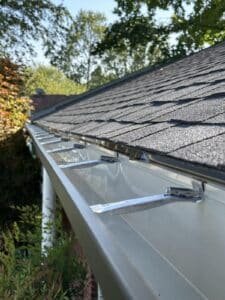
- Misdirected Downspouts: If your roof gutters are packed with debris or if downspout extensions drop water within two or three feet of your home’s perimeter, the concentrated roof runoff saturates the localized sub-grade drainage zone, triggering the destructive clay bowl effect.
According to structural safety guidelines managed by the Federal Emergency Management Agency, maintaining a positive outward slope of at least six inches over the first ten feet away from a building envelope is a fundamental requirement for preventing catastrophic foundation water damage and soil destabilization.
Long-Term Penalties of Sub-Grade Water Accumulation
Allowing heavy rains to repeatedly overwhelm your subsurface infrastructure leads to severe, permanent degradation of your home’s structural stability. When soil remains chronically saturated, it undergoes differential settling. The earth shifts, expands, or washes away entirely beneath your concrete footings, causing uneven structural support.
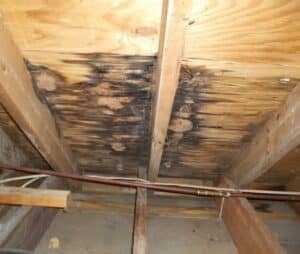
This uneven settling causes deep structural fractures through concrete blocks, compromises the alignment of door and window frames throughout your upper living spaces, and can even crack the brickwork of your chimney column. Furthermore, the persistent moisture creates a perfect environment for toxic mold spore growth within crawlspaces, which eventually rises into your home’s indoor air supply. Research updated by the United States Geological Survey highlights that managing local stormwater runoff paths and maintaining clear subsurface paths are critical to preventing domestic foundation damage and localized soil erosion over a multi-decade property lifespan.
Fortify Your Property’s Structural Envelope with Chimneyz LLC
Preventing severe weather from compromising your home requires looking at your property as a complete, integrated system from the roofline down to the footings. At Chimneyz LLC, we specialize in providing high-end property preservation, expert masonry restoration, and exterior waterproofing services designed to help your home withstand the heaviest environmental pressures. Whether your chimney masonry has developed cracks from foundation shifting, your roofline transitions require advanced flashing corrections to manage torrential runoff, or your structural brickwork needs professional tuckpointing to lock out moisture, our experienced technicians deliver precision craftsmanship that lasts. Protect your property investment and secure your peace of mind, reach out to our local team today to schedule an expert property assessment.