4 min read
What does foundation repair cost in Seattle?
There is no single Seattle number, because the price is set by the repair method rather than by the house. Five things decide it: what is actually failing, how deep the crew has to go to reach stable soil, how much access the site allows, whether water has to be managed as part of the job, and whether the damage has reached the framing above. Any quote given before those are established is a guess.
Seattle sits on glacial till, fill, and in places on old regraded ground, which means two houses a block apart can need completely different foundation work. That is the honest reason there is no single price to quote, and it is also why cost articles that open with one number are not describing your house.
What can be set out clearly is what decides the number. Five things do, and you can assess most of them before anyone arrives.
What Is Actually Failing
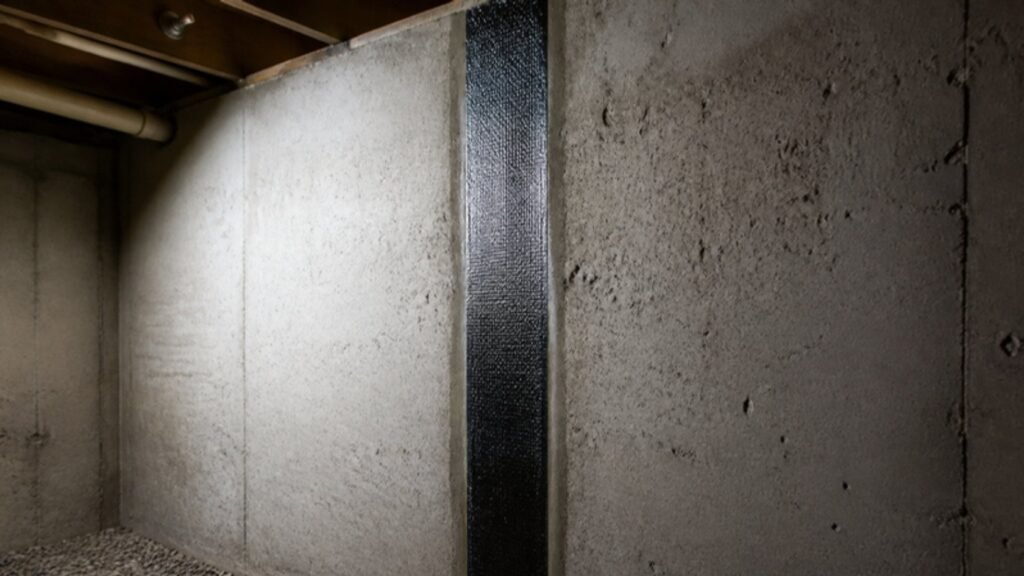
The first question is whether the foundation is cracked, settling, or moving laterally, because those are three different jobs. A shrinkage crack in a concrete wall is an ordinary repair. Differential settlement, where one part of the structure has dropped relative to another, needs the load transferred down to stable soil. A wall bowing inward under lateral pressure from saturated soil is a structural problem of a different order again.
Reading the house helps. Cracks that are uniform in width usually indicate concrete curing and movement. Cracks wider at one end, doors that have stopped latching, and floors that slope all point at settlement. A horizontal crack running along a basement wall is the one to take seriously immediately, because that is the wall being pushed.
One Seattle-specific note worth adding: a great deal of the city sits on ground that was regraded, filled or logged within living memory of the houses standing on it. A home on glacial till behaves very differently from one on fill, and the two can sit on the same street. Neighbourhood averages are therefore close to useless here, which is the real reason local cost guides vary so wildly.
How Deep the Work Has to Go
Where settlement is the problem, the repair works by reaching soil that will carry the load, and the depth of that soil is the single largest cost variable on most jobs. On ground where competent soil sits a few feet down the work is relatively quick. Where fill runs deep, as it does across parts of the Duwamish valley and on regraded slopes, the same repair on the same size of house costs substantially more.
This is also the part nobody can price from the kerb. A soil assessment is what turns an estimate into a quote, and a contractor who skips it is transferring the risk of being wrong onto you.
What the Site Will Let You Do
Access changes the price more than homeowners expect. A repair on an open side yard where a small machine can work is a different job from the same repair against a property line on a steep Seattle lot, reached by hand down a side passage with the spoil carried out by barrow.
The things that drive access cost are easy to spot:
- Slope, and whether equipment can reach the affected elevation at all.
- Hardscape, decking or mature planting that has to come out and go back.
- Proximity to a neighbouring structure or a property line, which can turn excavation into hand work.
Whether Water Has to Be Solved Too
In this climate a foundation problem is very often a water problem wearing a different hat. Soil that saturates every winter and dries every summer moves, and moving soil is what cracks and settles the structure sitting on it.
Where that is the case, repairing the concrete without addressing the drainage buys a few years. The real scope then includes a french drain or exterior waterproofing, and sometimes basement waterproofing on the inside. It is more money on the day and considerably less over a decade, which is a trade-off worth making deliberately rather than discovering later.
When you compare quotes, compare scope rather than totals. A low number that covers the concrete and a high number that covers the concrete, the drainage and the framing repair above are not the same job, and reading them as competing prices for one piece of work is how homeowners end up paying twice. Ask each contractor what their quote excludes.
Get a Real Number from Chimneyz LLC
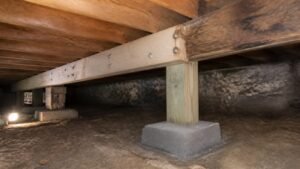
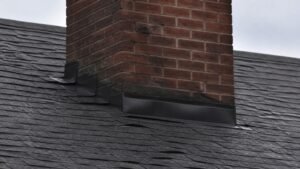
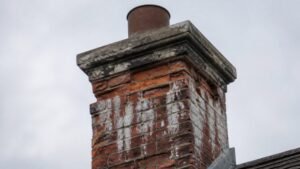
The fifth factor is how far the damage has already travelled. Movement that has reached the framing, the crawl space joists or the chimney above adds work that has nothing to do with the concrete, and it is the reason the same crack costs very different amounts depending on how long it has been left.
Chimneyz LLC assesses foundation repair across Seattle and the surrounding King County neighbourhoods, and we price from what the soil and the structure actually show rather than from a bracket. Book an assessment and you will get a number that holds.