4 min read
What causes ice dams on a roof?
Heat escaping from the house, not the weather. Warm air leaking into the attic heats the roof deck and melts the underside of the snow layer. That meltwater runs down to the eave, which is beyond the heated space and still freezing, and refreezes there. The ridge of ice that builds up blocks the next round of meltwater, which then backs up under the shingles. Fix the heat loss and the dam stops forming.
Ice dams get blamed on cold snaps. The blame is misplaced. A ridge of ice at the edge of a roof is evidence that the house is losing heat upward, and the cold snap merely made that loss visible.
Which is good news, because weather cannot be fixed and heat loss can.
This is also why a roof can dam while the one next door does not, on the same street, in the same storm. The weather is identical; the attics are not. Two houses of the same age can differ enormously in how much warm air reaches the deck, and that difference is built into the ceiling plane rather than into the roof.
The Mechanism, Step by Step
Snow settles evenly across the roof. Underneath, warm air that has escaped the living space collects in the attic and warms the roof deck from below. The snow in contact with that warmed deck melts, even while the air outside stays well below freezing.
The meltwater runs downhill under the remaining snow until it reaches the eave. The eave overhangs open air, so there is no warm attic beneath it, and the water refreezes on contact. Repeat this over several days and the refrozen water builds into a solid ridge along the roof edge.
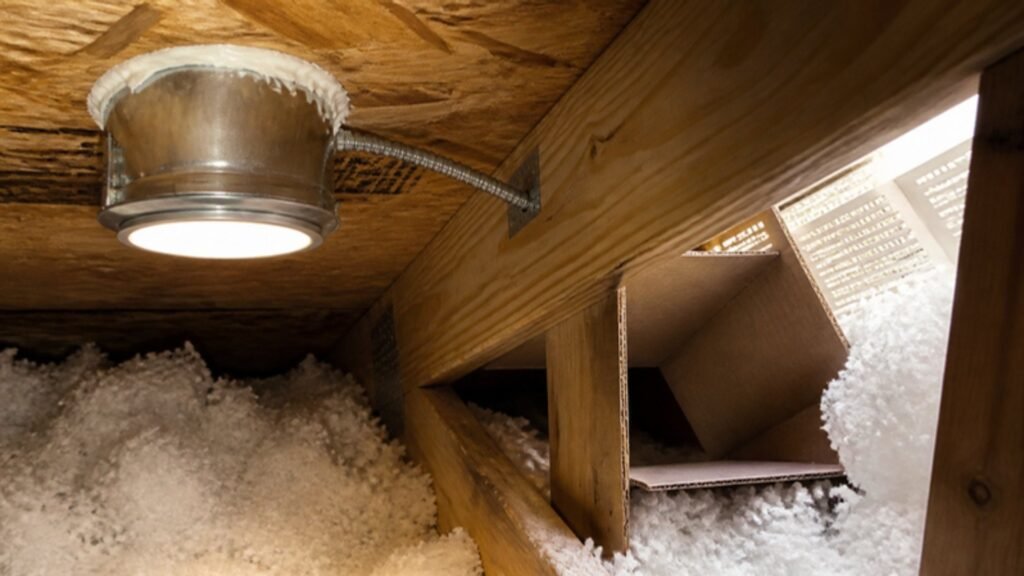
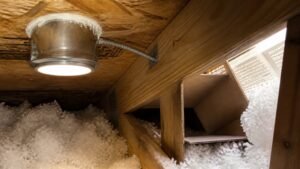
Not every roof dams, and the difference is usually in the detail rather than the design. Recessed light fittings, a poorly sealed attic hatch, bathroom fans ducted into the attic instead of through the roof, and gaps where interior walls meet the ceiling plane are the leaks we find most often. Each one is small; together they can move a surprising volume of warm air upward over a winter night.
Why the Dam Causes the Real Damage
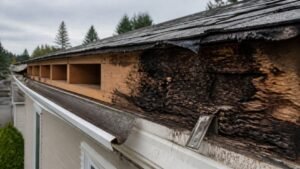
The ice itself is not the problem. The problem is that it blocks the path. The next round of meltwater arrives, finds the drainage route sealed, and pools behind the dam.
Roofing sheds water that runs downhill across it. It does not hold back standing water. Water sitting in a pool on a shingle roof works its way under the courses by capillary action and reaches the deck, and from there it finds the ceiling, the insulation and the wall cavity.
There is a pattern worth knowing: dams tend to form first above the warmest rooms. A ridge of ice directly over a bathroom, a kitchen or a stairwell is pointing at its own cause. Where the dam forms is therefore the cheapest diagnostic available, and it is free.
The Three Things That Actually Prevent Them
Every genuine fix addresses the temperature of the roof deck rather than the ice:
- Air sealing, which stops warm air leaking from the living space into the attic in the first place.
- Insulation, which slows the heat that does arrive from reaching the deck.
- Ventilation, which moves outside air through the attic so the deck stays close to the outdoor temperature.
The three work together and the order matters: sealing first, then insulation, then ventilation. Adding ventilation to an attic that leaks warm air just pulls more heated air out of the house and raises the bill without fixing the dam.
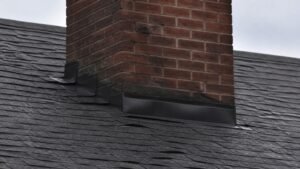
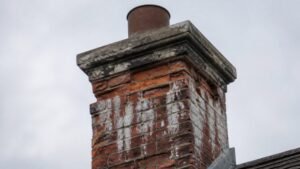
A chimney running up through the attic is a special case worth checking. Masonry stores and radiates heat, and the gap where the chimney passes through the ceiling plane is a classic uncontrolled air leak. The code-required clearance around it cannot simply be stuffed with insulation; it needs a proper fire-rated air seal, which is a detail often missed on older houses.
What Does Not Work
Chipping the ice off with a hammer damages the shingles underneath and does nothing about the next storm. Heated cables melt a channel through the dam, which helps in an emergency but leaves the heat loss untouched and adds a running cost every winter.
Both are worth knowing about as stopgaps. Neither is a repair, and a roof that dams every year is telling you something about the attic that is worth listening to.
Damage from an ice dam is frequently covered by insurance while the underlying heat loss is not, so repairing the ceiling without addressing the attic means paying a deductible on the same claim repeatedly. Treating the cause once is almost always cheaper than treating the symptom three winters running.
Solve It Before Winter with Chimneyz LLC
An ice dam is one of the few roof problems you can eliminate rather than manage. The work happens in the attic, not on the roof, and it lowers the heating bill as a side effect.
Chimneyz LLC inspects the attic, the insulation and the ventilation path as one system across the Puget Sound region. Contact us before the first freeze and we will tell you where your heat is going.