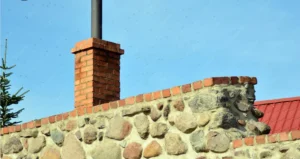
For generations, the traditional open-masonry fireplace has served as the romantic heart of the American home. There is an undeniable charm to the crackle of burning logs and the dancing orange flames on a cold winter night. However, beneath that nostalgic aesthetic lies an unfortunate engineering reality: traditional open fireplaces are incredibly inefficient.
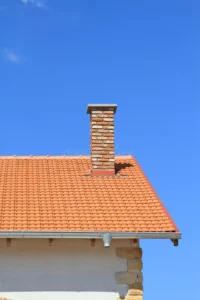
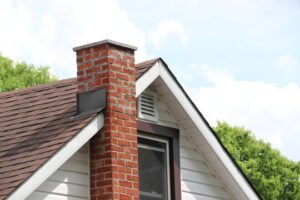
Instead of heating your living space, an open fireplace often acts as a giant energy vacuum. As the fire burns, it draws warm air out of your room, sucks it into the firebox, and sends it straight up the chimney flue. When the fire dies down, cold outside air rushes down the unprotected chimney structure, creating uncomfortable drafts and causing your central heating system to work twice as hard. Transforming your drafty, outdated fireplace into a high-efficiency heating asset is one of the smartest structural upgrades you can make for your home’s comfort and utility budget.
Understanding the Energy Drain of Traditional Open Hearths
To appreciate the value of a modern fireplace transformation, it helps to look at the physics of airflow within a standard masonry setup. A classic open brick fireplace operates at an efficiency rating of roughly five to fifteen percent. This means up to ninety percent of the heat generated by your firewood escapes directly into the atmosphere.
Worse yet, traditional fireplaces create a phenomenon known as the “stack effect.” According to home energy dynamics data analyzed by the U.S. Department of Energy, open chimneys create an intentional path of least resistance for air movement. When your central furnace clicks on, the warm air rises and exits through any unsealed paths, including a leaky fireplace damper.
This loss creates a negative pressure zone on the lower levels of your home, which pulls cold outdoor air through tiny cracks in your windows, doors, and foundation. Upgrading this setup isn’t just about changing how your living room looks; it is a critical optimization of your entire building envelope.
The Modern Solution: High-Efficiency Fireplace Inserts
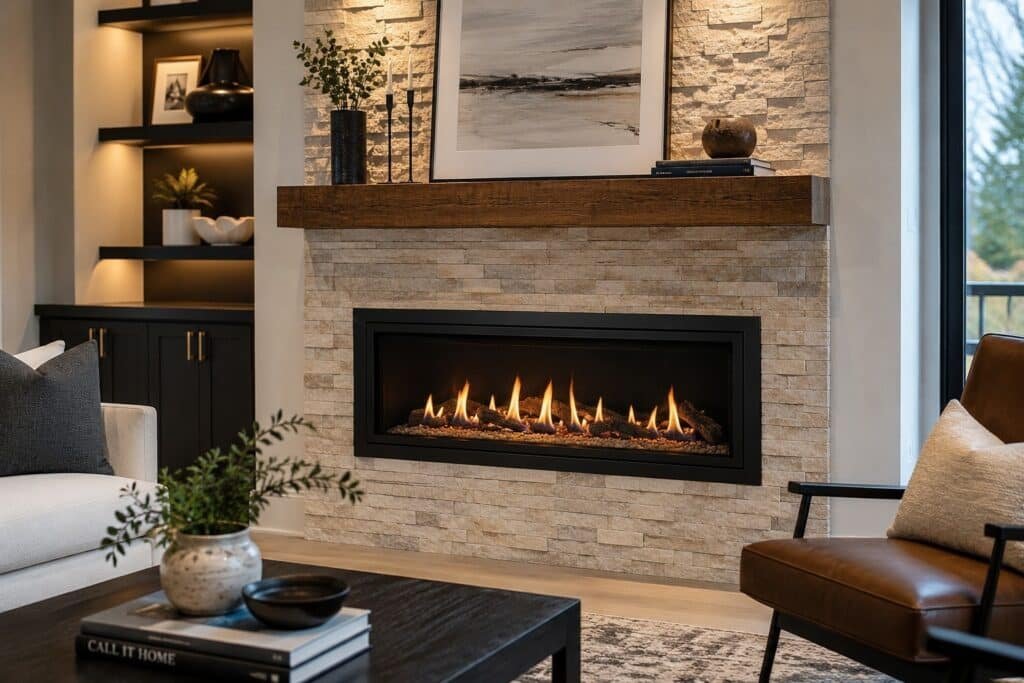
The most effective way to eliminate drafts and turn your fireplace into a legitimate heat source is by installing a closed-combustion fireplace insert. These engineered steel or cast-iron boxes are designed to slide directly into your existing brick or stone firebox, completely sealing the open cavity.
Fireplace inserts utilize a sealed combustion chamber and ceramic glass doors to tightly control the amount of oxygen feeding the fire. Instead of pulling heated air from your living room, modern inserts often draw combustion air from outside through a specialized liner system.
Heavy-duty blowers circulate room air around the hot exterior of the metal insert jacket, warming it thoroughly before gently pushing it back into your living space. This closed system elevates heating efficiency up to seventy or eighty-five percent, turning a decorative feature into an incredibly effective zone-heating tool that allows you to lower your central thermostat and save thousands on winter energy bills.
Choosing Your Fuel: Wood, Gas, or Pellet
When planning your fireplace transformation, you must decide which fuel source aligns best with your lifestyle, maintenance preferences, and regional utility costs. Each option offers a distinct balance of convenience and authentic atmosphere.
- EPA-Certified Wood Inserts: Perfect for traditionalists who love real fire but want efficiency. These units burn wood so completely that they produce minimal smoke, meet strict environmental parameters outlined by the Environmental Protection Agency (EPA), and require far less firewood than an open hearth.
- Direct-Vent Gas Inserts: The ultimate option for convenience. Running on natural gas or propane, these units turn on instantly with a remote control or wall thermostat. They require almost zero maintenance and deliver steady, reliable zone heating.
- Pellet Inserts: Powered by compressed sawdust pellets, these units use an automated internal hopper to feed fuel into the fire. They offer exceptional heating capacities and long burn times, making them ideal for heating large areas.
Regardless of the fuel you choose, a professional transformation requires installing a brand-new, continuous stainless steel liner from the top of the insert all the way up to the chimney termination point. This customized venting path ensures proper draft mechanics, prevents toxic carbon monoxide leaks into your attic, and isolates dangerous creosote buildup from your old masonry structure.
Elevating the Aesthetics: The Structural Finish
Once the mechanical and efficiency upgrades are taken care of, you can focus on the visual rebirth of your living space. A fireplace transformation provides the perfect opportunity to update your interior design profile.
Important Note: Upgrading your fireplace surround is an excellent way to boost your home’s equity. Replacing outdated, stained brick or old brass trim with a sleek floor-to-ceiling ledger stone facade, a premium cast-stone mantel, or modern large-format porcelain tile completely resets the architectural tone of your room.
Because modern inserts require precise clearance distances from combustible materials like wood mantels or drywall, the cosmetic remodeling phase must be handled with extreme care. Working with a team that understands both internal mechanical codes and high-end external masonry styling ensures that your beautiful new hearth is as safe as it is visually striking.
Are you ready to stop letting your hard-earned heating dollars escape out of an old, drafty chimney stack? Transforming your outdated fireplace into a striking, high-efficiency heating system is a seamless process when you partner with the right professionals. At Chimneyz LLC, we handle every aspect of your hearth remodel, from precision liner installation and certified insert selection to custom masonry finishes that elevate your entire home. Contact our expert team today to schedule your design consultation and start enjoying a warmer, more efficient home this winter.